A change in weather has arrived in the Upper Yukon, with up to 4,600 lightning strikes impacting the zone since Monday. Precipitation accumulations are variable throughout the zone, with some areas receiving as little as one tenth inch of rain and the average amount for the zone being one quarter of an inch received by 5:00 p.m. Despite the presence of moisture, the possibility of new fires becoming established from lightning strikes remains high due to dry fuels.
Year: 2025

Gusty northerly winds, warmer weather causing continual growth on Western Alaska fires
Today, cooler weather and windy conditions out of the north will continue to push flames and fire growth in the Galena Zone, which encompasses Western Alaska from the Yukon River north to the North Slope. The Galena Zone also recorded 1,202 lightning strikes on Monday.

Increased fire activity triggers new Incident Management Team order for Salcha area fires
Click for printable PDF map An increase in activity on fires burning in the Salcha River corridor triggered the request for an Incident Management Team to take command of three Division of Forestry incidents. Wyoming Type 3 Incident Management Team… Read More ›
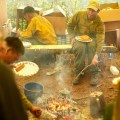
Nelchina Glacier Fire: wet weather slows fire, crews focus on containment objectives
Firefighters experienced a quieter operational day on the Nelchina Glacier Fire (#226), located 3 miles south of the Eureka Roadhouse, due to significant rainfall and cold weather. Currently, there are 72 firefighters assigned to the fire. With minimal fire growth… Read More ›

Storms roll through, fire activity remains minimal on Twelvemile and Sand Lake fires
The Twelvemile Lake Fire (#220) grew to 24,027 acres, an increase of 2,041 acres. The Sand Lake Fire (#292) now totals 6,216 acres, growing 210 acres since yesterday. Total personnel assigned to the incident remains at 62. A fast-moving thunderstorm… Read More ›

Optimal burning conditions enabled crews to successfully carry out burn operations on the east side of 7 Mile Lookout Fire and Tok River Fire update
7 Mile Lookout Fire (#222) Size: 3,839 acres Location: 7 miles southwest of Tok, AK. Start Date: June 19, 2025 Cause: Lightning Containment: 54% Total Personnel: 145 Evacuation levels for neighborhoods near the 7 Mile Lookout Fire (#222): Residents north… Read More ›

Dry conditions drive Moldy Fire growth as crews protect threatened structures on Roundabout Complex
Persistent dry conditions and active fire behavior in western Alaska continue to shape operations on the Roundabout Complex, now mapped at 39,382 acres. All recent growth—approximately 4,000 acres since yesterday—occurred on the Moldy Fire (#279), with no changes on the other fires in the complex.

Crews utilize weather change to engage with direct tactics on Turtle Fire
A change in weather has brought cooler temperatures, lower relative humidity, and scattered precipitation to the Ptarmigan Complex. These conditions have moderated fire behavior and given firefighters the opportunity to engage in direct tactics on the Turtle Fire (#243).

Firefighters continue successful structure protection on the Elephant Fire
Firefighters made significant progress yesterday on the Elephant Fire (#225) north of Eureka, continuing a complex defensive firing operation to eliminate the light, flashy fuels that have been driving fire spread. This controlled burnout operation is being used to protect structures on the northeastern portion of the fire. Firefighters also monitored and improved sprinkler systems around cabins to enhance defensible space. Hotshot crews constructed containment line on the active fire edge in the Minook Creek drainage. Today, crews will begin line construction along the fire’s southern edge near Eureka and continue structure protection throughout the fire area.

Cooler, wetter weather brings much-needed reprieve to the Ninetyeight
The Ninetyeight Fire (#218) experienced a welcome shift in weather, with cooler temperatures, increased humidity, and light rainfall. These improved conditions allowed firefighters to strengthen and secure containment lines on the southern and southwestern flanks yesterday. On the east side, favorable weather helped crews focus on completing protection work for Alaska Native allotments. In the northern division, firefighters used defensive burning techniques to safeguard military infrastructure by removing surrounding fuels and reducing risk to critical assets.
 Alaska Wildland Fire Information