Author Archives
Alaska Division of Forestry & Fire Protection website: http://forestry.alaska.gov/
Mission:
The Alaska Division of Forestry proudly serves Alaskans through forest management and wildland fire protection.
The Wildland Fire and Aviation Program provides safe, cost-effective and efficient fire protection services and related fire and aviation management activities to protect human life and values on State, private and municipal lands. The wildland fire program cooperates with other wildland fire agencies on a statewide, interagency basis.
-
State Division of Forestry & Fire Protection to perform prescribed burns in Wasilla Wednesday, May 17
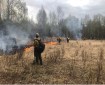
MAY 16 UPDATE: PRESCRIBED BURN IN WASILLA POSTPONED DUE TO WEATHER. DOF WILL PROCEED WITH THE PRESCRIBED BURN TOMORROW, WEDNESDAY MAY 17 IF WEATHER ALLOWS. The Alaska Division of Forestry & Fire Protection (DOF) will be conducting a small, prescribed… Read More ›
-
Weekly fire report: 19 human caused fires in Alaska last week
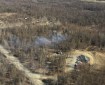
There have now been 37 human caused fires in Alaska so far this season, 19 of them occurred just last week. The US National Weather Service Alaska issued a Red Flag Warning from noon Sunday, May 14 and extended through… Read More ›
-
Help report danger trees – DOF has responded to 202 power line fires since 2014
By actively reporting danger trees to local utility companies, you can help prevent the occurrence of devastating wildfires. DOF has responded to 202 power line fires totaling 10,116 acres since 2014. Most of these wildfires were contained at a relatively… Read More ›
-
Engine academy graduates 16 students from across Alaska in 2023

Watch final recap video below – Students reported that the academy was a challenging but rewarding experience and they feel much more confident as engine operators. With the goal of training confident and capable wildfire engine operators, the 2023 Alaska… Read More ›
-
State to conduct annual prescribed burns on Delta Junction Bison Range
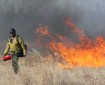
The Alaska Division of Forestry & Fire Protection (DOF) and Alaska Department of Fish & Game (ADF&G) are planning to burn the Gerstle and Panoramic fields of the Delta Junction Bison Range between May 13 and June 10, depending on… Read More ›
-
Structure fires spreading into Alaska’s wildlands have sparked at least 144 wildfires since 2015
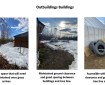
Structure fires spreading into the wildlands are one of the leading “miscellaneous causes” of fast spreading wildfires in Alaska. Between 2015 and 2022, Division of Forestry & Fire Protection suppression resources responded to 144 wildfires that were started by buildings catching… Read More ›
-
Grass fires signal high fire danger during spring green up – despite the slow melt and lingering snowpack

Dry dead grass is extremely flammable. Small scale burn permits do not cover ditch or fuels reduction like burning around tree bases. Brush pile burning is one of the leading sources of human caused wildland fires in Alaska. Exposed, dead… Read More ›
-
State Division of Forestry & Fire Protection to perform prescribed burns in Palmer tomorrow, May 10

The Alaska Division of Forestry & Fire Protection (DOF) will be conducting a small, prescribed burn near the end of Maud Road tomorrow, May 10, weather permitting. The burn will be five acres between Mud Lake and Jim Lake, at… Read More ›
-
Use care when shooting – tracers, incendiary rounds, and exploding targets linked to unintended wildfires

Wildfires at shooting ranges have become a frequent occurrence in recent years, with sometimes devastating consequences. There have been several wildfires in the past few years at shooting ranges in Alaska caused by the use of incendiary rounds and exploding… Read More ›
-
Weekly fire report: Six additional human caused fires over the weekend

There were six additional human caused fires in Alaska over the weekend. As the snow continues to melt, the Division of Forestry & Fire Protection (DOF) urges Alaskans to burn responsibly and ensure that you are not leaving campfires unattended… Read More ›
 Alaska Wildland Fire Information