Author Archives
The U.S. Wildland Fire Service in Alaska (USWFS) is located at Fort Wainwright, Alaska, provides wildland fire suppression services for over 244 million acres of Department of the Interior and Native Corporation Lands in Alaska. In addition, USWFS has other statewide responsibilities that include: interpretation of fire management policy; oversight of the BLM Alaska Aviation program; fuels management projects; and operating and maintaining advanced communication and computer systems such as the Alaska Lightning Detection System. AFS also maintains a National Incident Support Cache. The U.S. Wildland Fire Service in Alaska provides wildland fire suppression services for America’s “Last Frontier” on an interagency basis with the State of Alaska Department of Natural Resources Division of Forestry & Fire Protection, U.S. Forest Service, National Park Service, Bureau of Indian Affairs, U.S. Fish and Wildlife Service, and the U.S. Military in Alaska.
-
BLM reduces fire closure for the western White Mountains National Recreation Area
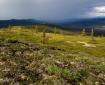
BLM Eastern Interior Field Office has reduced the fire closure area in the western White Mountains National Recreation Area. Effective immediately, public access is reopened to a one-mile area around the Wickersham Dome Trailhead near mile 127.7 of the Elliott Highway. Beginning Aug. 1, access to Lee’s and Moose Creek cabins and Wickersham Dome will also reopen. A reduced closure area remains in effect for public and firefighter safety due to ongoing activity from the Obrien Fire (#172).
-
Aviation resources prove critical to monitoring and operational planning on fires in northeastern Alaska
A detection flight yesterday flew several fires in the Alaska Fire Service (AFS) Upper Yukon Zone, which covers northeastern Alaska, to monitor fire behavior and activity. Daily helicopter reconnaissance flights on the Ptarmigan Complex fires are also helping firefighters determine future work and resource needs based on fire behavior.
-
Two fires declared out on Yukon-Charley Rivers National Preserve; Ptarmigan Complex efforts remain focused on monitoring, restoration
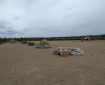
A slight uptick in containment on the Ptarmigan Complex and two additionally fires declared out in the Upper Yukon Zone reflect the dedicated work of firefighters to actively monitor area fires and strategically respond.
-
BLM AFS fires update: Crews continue work as fire managers prepare for chance of warmer weather, possible increased activity
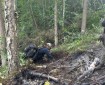
In BLM AFS’s protection area, 166 active fires remain amidst warmer, drier weather conditions, prompting increased vigilance from fire managers. So far, 404 fires have burned nearly 1 million acres. Crews are completing suppression tasks on major fires like Ptarmigan and Lush, while remaining prepared for potential new fire activity.
-
Enjoy the upcoming warm weather, but be aware of outdoor closures, fire restrictions and fire safety
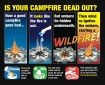
As you enjoy the warmer weather, please remember to practice fire safety. Ensure any outdoor fires are completely extinguished, and never leave them unattended. Start the weekend off right by being mindful of area closures, fire restrictions and keeping a safe distance from dry vegetation. Together, we can help prevent wildfires and protect our communities.
-
Evacuation level downgraded to Level 1 “Ready” on the Middle and Lower Salcha River areas
The Middle and Lower Salcha River Level 2 “Set” evacuation notices has been downgraded to a Level 1 “Ready” due to moderated fire activity and work completed by firefighters to protect the cabins and other sites from the Ninetyeight Fire (#218). All Salcha River area evacuation levels are now at Level 1 “Ready,” which means residents should be ready for potential evacuation. The evacuation map and other information can be found on the Fairbanks North Star Borough Emergency Operations website at Fairbanks North Star Borough. Text WILDFIRES to 67283 to receive text notifications.
-
Tlozhavun Fire declared out; crews continue fire and aviation operations on the Ptarmigan Complex
Fire managers called the Tlozhavun Fire out yesterday after the fire was 100% contained and completely suppressed. A 38-person Type 4 management organization continues to strategically engage on the Ptarmigan Complex fires. Warmer and drier weather will move into the BLM Alaska Fire Service (BLM AFS) Upper Yukon Zone, which covers northeastern Alaska, over the weekend.
-
Crews depart Tlozhavun Fire after hard work yields 100% containment and complete extinguishment
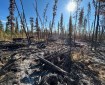
Firefighters on the Tlozhavun Fire have completely controlled and suppressed the 22-acre fire 10 miles south of Fort Yukon and will transition off the incident to support other firefighting efforts. Steady progress on Ptarmigan Complex fires continued Tuesday, including the removal of structure protection equipment because fire is no longer posing a threat to the cabin. Fire managers will continue to watch for and be ready to respond to new starts in northeastern Alaska as warmer, drier weather is expected in the coming days, particularly in the Yukon Flats.
-
Firefighters achieve 100% containment on the Tlozhavun Fire; operations remain steady on other fires in northeastern Alaska
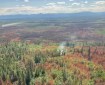
Crews achieved 100% containment around the perimeter of the Tlozhavun Fire Monday, meaning firefighters have established a control line around the fire that should keep it from spreading. Firefighters working other fires in the BLM Alaska Fire Service (BLM AFS) Upper Yukon Zone, which covers northeastern Alaska, continue to make steady progress towards the objectives identified for each fire. Fire managers will continue to watch for and be ready to respond to new starts as the region continues to experience dry conditions.
-
New Mexico IMT supports Alaska village on and off the fireline
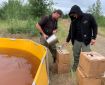
The Northern New Mexico Incident Management Team support of Huslia went beyond wildfire response. When the town’s main water pump suffered a failure that wasn’t related to the fire, the team didn’t hesitate to help.
 Alaska Wildland Fire Information