Author Archives
The U.S. Wildland Fire Service in Alaska (USWFS) is located at Fort Wainwright, Alaska, provides wildland fire suppression services for over 244 million acres of Department of the Interior and Native Corporation Lands in Alaska. In addition, USWFS has other statewide responsibilities that include: interpretation of fire management policy; oversight of the BLM Alaska Aviation program; fuels management projects; and operating and maintaining advanced communication and computer systems such as the Alaska Lightning Detection System. AFS also maintains a National Incident Support Cache. The U.S. Wildland Fire Service in Alaska provides wildland fire suppression services for America’s “Last Frontier” on an interagency basis with the State of Alaska Department of Natural Resources Division of Forestry & Fire Protection, U.S. Forest Service, National Park Service, Bureau of Indian Affairs, U.S. Fish and Wildlife Service, and the U.S. Military in Alaska.
-
New thermal imaging leads to an increase in acreage across the Ptarmigan Complex
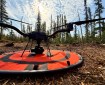
As a result of new thermal imaging and improved mapping, the Ptarmigan Complex total fire acreage increased to 49,508 acres. The acreage for the largest fire, the Turtle (#242) is 34,903. The Ikheenjik Fire (#243) is being included as part of the Turtle Fire for management and acreage. There was minimal fire activity present yesterday across the complex, with the observed fire behavior consisting of flanking, creeping, and smoldering. The warming and drying trend for the weekend may still lead to an increase in fire activity and smoke.
-
Polly Fire increasing activity; advisory issued for Taylor Highway
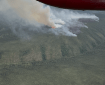
The Polly Fire (#435) is visible from the Taylor Highway. A caution notice has been issued for travelers from milepost 115 to 100 due to low visibility from smoke and the proximity of the fire to the highway. There are no active closures or evacuations at this time.
-
Lines hold and progress continues on Lush and Elephant fires

Fire activity on the Lush Fire (#199) remained low yesterday, with only minimal growth observed. Crews continued to work on fireline construction around the fire area throughout the day. Fire personnel also welcomed a special visit from the Civil Air… Read More ›
-
Moldy Fire surges to 58,102 acres on Roundabout Complex as crews focus on allotment protection and community support
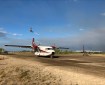
The Moldy Fire (#279) remains the only active fire within the Roundabout Complex, now totaling 58,102 acres and growing further overnight. Driven by strong northwest winds, the fire pushed southeast throughout the day yesterday, with some additional backing fire to the north.
-
Containment improves as crews push forward
Firefighters continue their determined efforts to contain the Ninetyeight Fire (#218), achieving 40% of their containment objectives despite persistent warm and dry conditions. Saturday’s fire behavior remained minimal, marked by creeping, smoldering, and isolated torching. The most concentrated heat continues to be located in the fire’s southwest corner and northern edge.
-
Smokejumpers begin point protection on Fortymile River
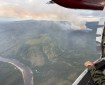
Two active fires are being staffed in the Upper Yukon zone, the Tsukon Fire (#382) and the Polly Fire (#435). Both are being managed under a point protection strategy.
-
Firefighters finish work on some NW Alaska fires; shift focus to other incidents
Smokejumpers assigned to a handful of fires burning in the BLM Alaska Fire Service’s Galena Zone have completed their work on some fires and are shifting their focus to other incidents.
-
Containment efforts advance on the Elephant and Lush fires as weather trends hotter and drier
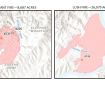
Fire behavior was slightly more active on the Elephant (#225) and Lush (#199) fires yesterday but remained minimal overall. Crews made steady progress, taking advantage of favorable weather to continue work on firelines and structure protection.
-
Crews adjust tactics on Ninetyeight Fire after boat incident
Firefighters are making steady progress toward protecting cabins and other values at risk from the Ninetyeight Fire (#218) as warmer, drier conditions persist across the area. Forty percent of the work toward this goal has been completed. No growth has been observed and the fire behavior Friday included creeping and smoldering with isolated torching.
-
No heat found on Deadwood Fire yesterday using drone module; drying trend continues on Ptarmigan Complex

Moderate fire activity was present yesterday with creeping and smoldering observed. Individual trees were observed torching on the Turtle Fire (#243) and individual smokes were visible from the Buckley Bar Fire (#264). The area expects to see a warming and drying trend for the weekend. This may lead to an increase in fire activity and smoke.
 Alaska Wildland Fire Information