With hunting season well underway, the Alaska Division of Forestry & Fire Protection is issuing a critical reminder to all hunters and outdoor enthusiasts: Help prevent human-caused fires this hunting season, and to be aware of risks when recreating near recently burned areas.
Recent rainfall has helped increase the amount of moisture in vegetation across the landscape and reduced wildfire activity. Even when wildfire activity is low, the possibility of an ignition is a concern. It only takes one spark to start a wildfire, and hunters are encouraged to be cautious outdoors.

Campfire Safety
If you plan to have a campfire during your hunting trip, follow these guidelines to minimize the risk of starting a wildfire:
- Choose an Open Location:
Build your campfire on mineral soil, or gravel in an open area away from trees, dry grass, and brush. Make sure there’s no vegetation overhead. - Create a Fire Ring:
Encircle your campfire with rocks or dig a shallow pit in the earth to contain the flames. This prevents the fire from spreading. - Never Leave a Fire Unattended:
Your campfire should never be left unattended, even for a short time. Assign someone in your group to always watch over it. - Extinguish Thoroughly:
Before leaving your campsite or going to sleep, thoroughly extinguish the campfire. Pour water over the flames, stir the ashes, and ensure it’s cold to the touch. A smoldering fire can reignite and quickly spread in the right conditions.
Equipment Safety
Your hunting equipment can inadvertently start fires as well. Here’s how to prevent this:
- Spark Arresters:
Ensure that spark arresters are properly installed and functioning on your ATV, chainsaws, and other motorized equipment. These devices help prevent sparks from escaping and igniting dry vegetation. - Inspect Your Equipment:
Regularly inspect your equipment’s exhaust, muffler, and engine for dry grass buildup. Remove any debris that could potentially catch fire. - Trailer Safety:
If you’re using trailers, check and tighten the cross chains to prevent them from dragging and causing sparks on the road.
Be prepared and stay informed on recent wildfire activity and impacts to your hunting area.
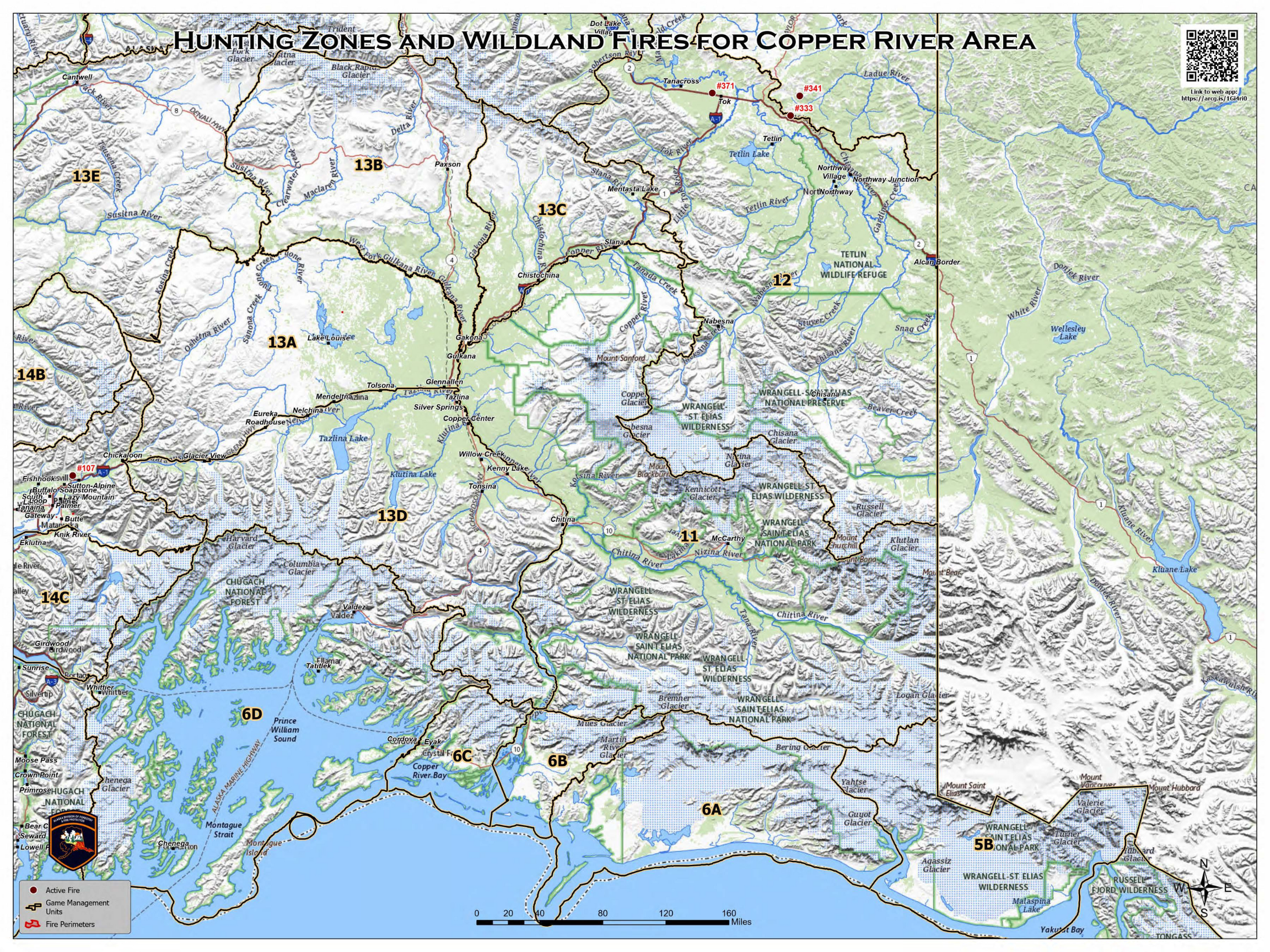
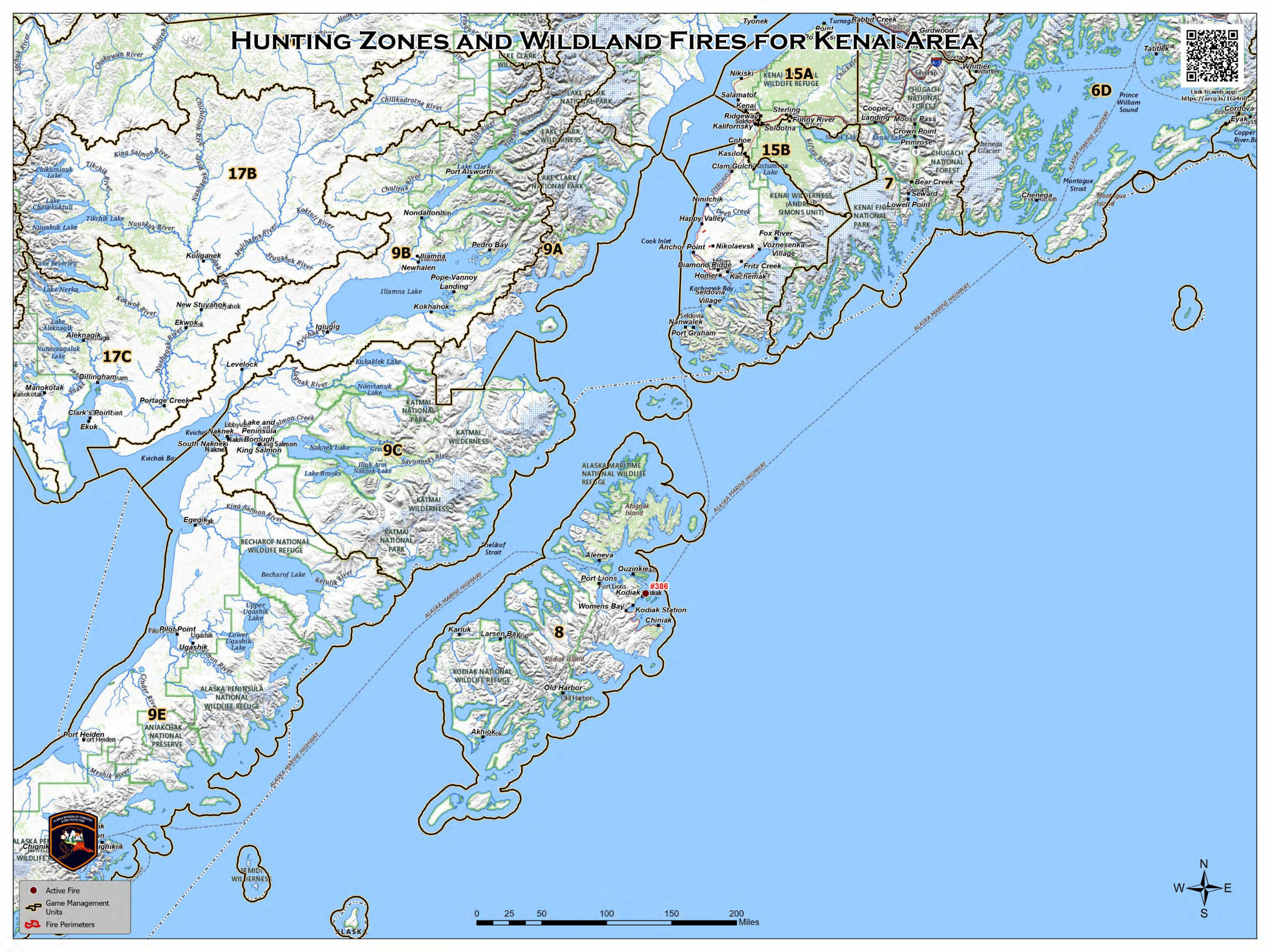
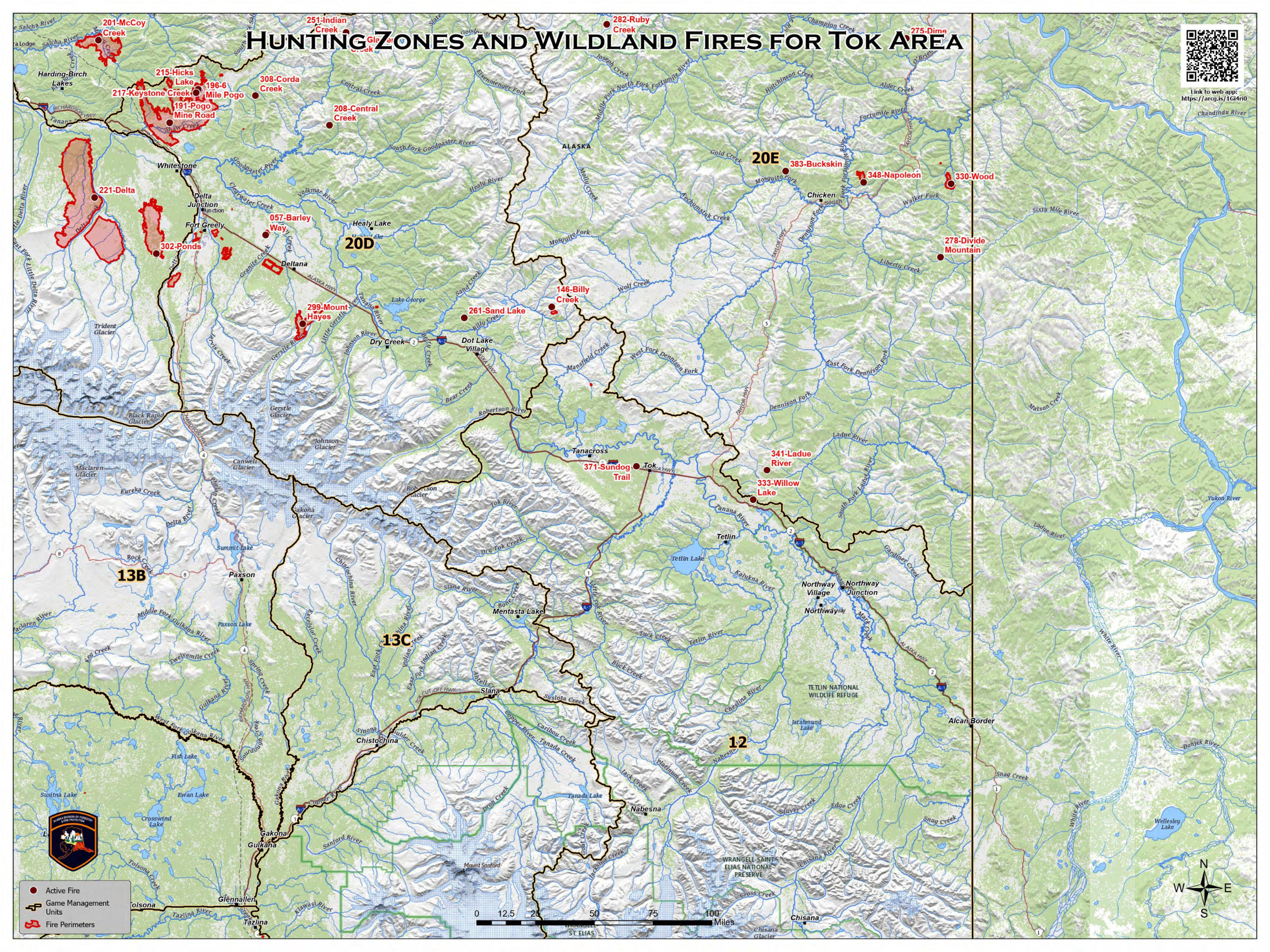
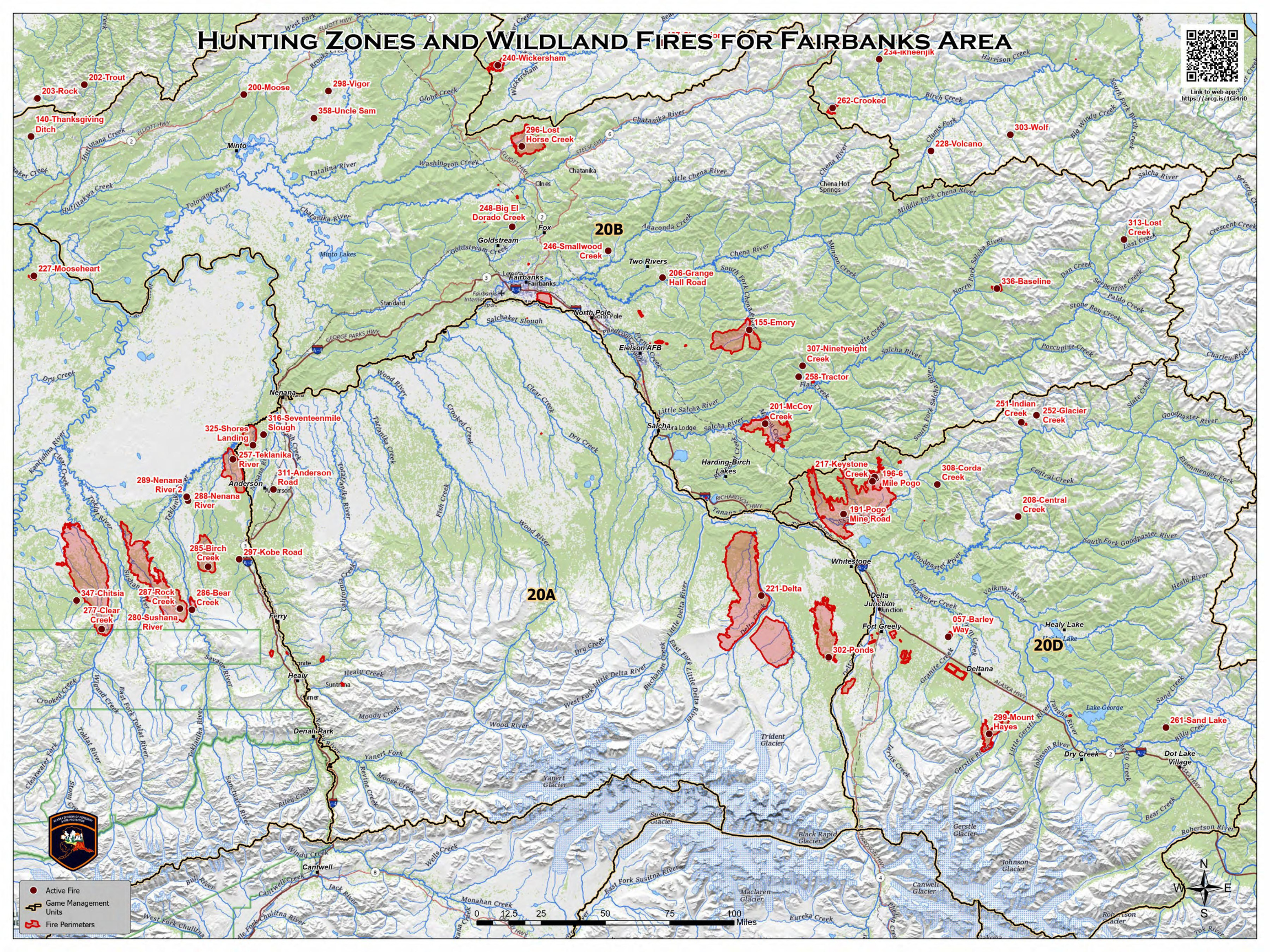
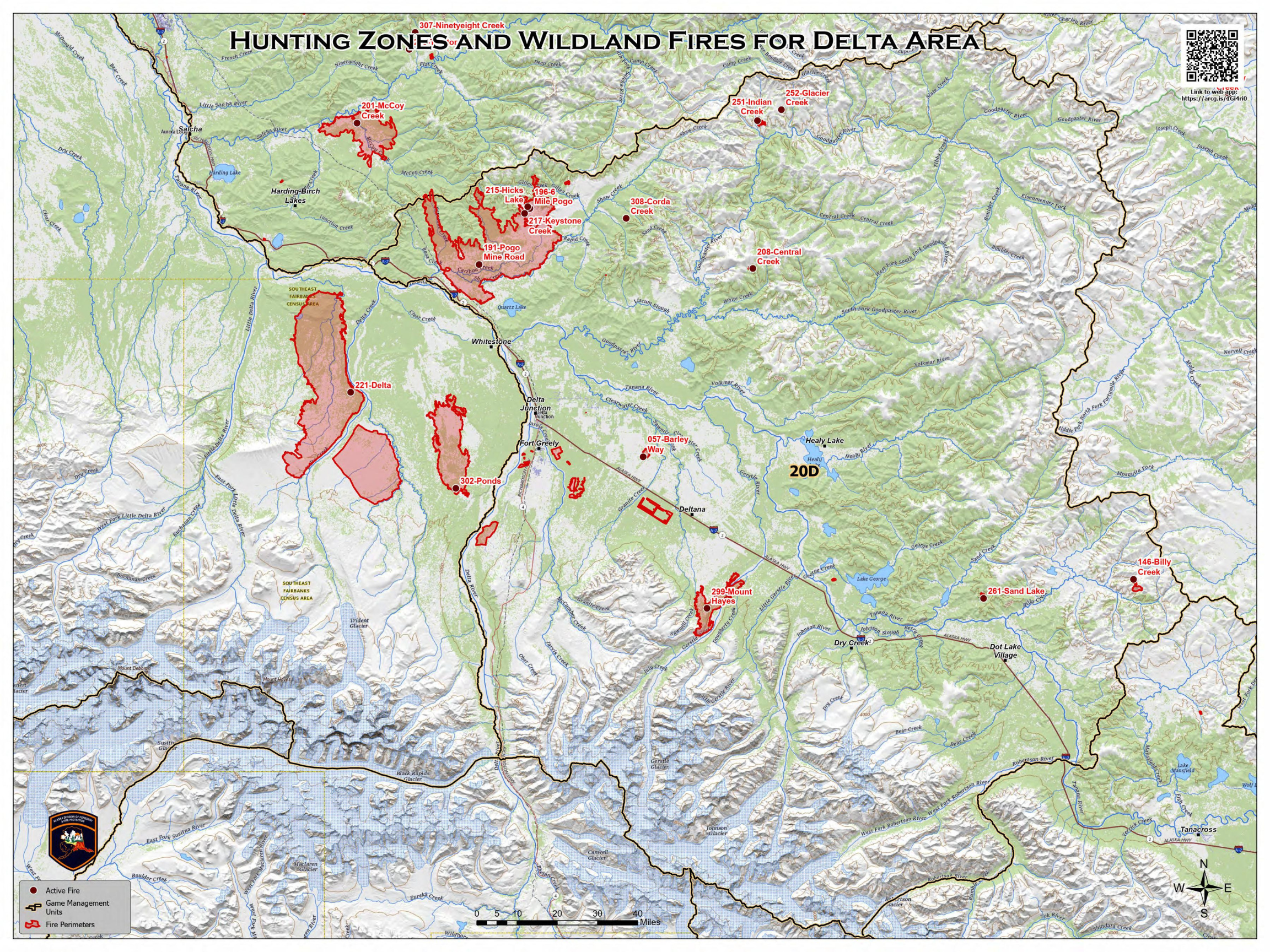
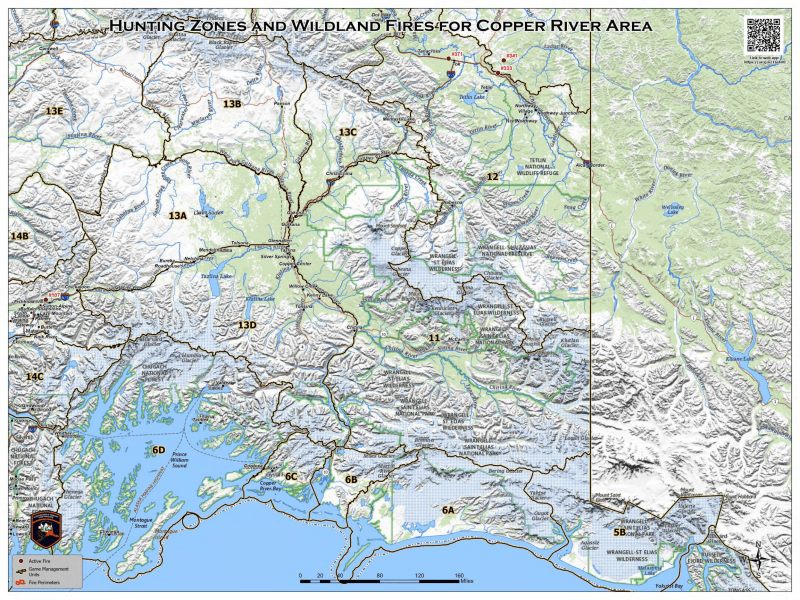
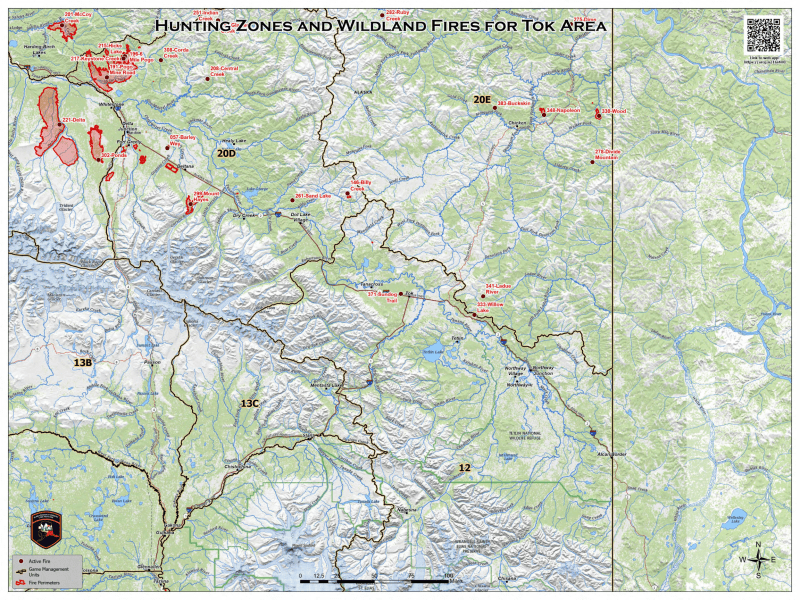
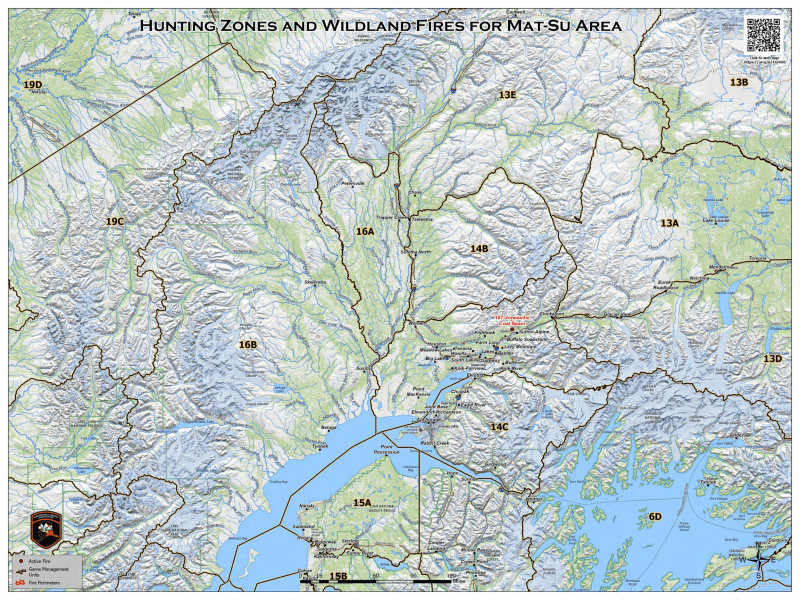
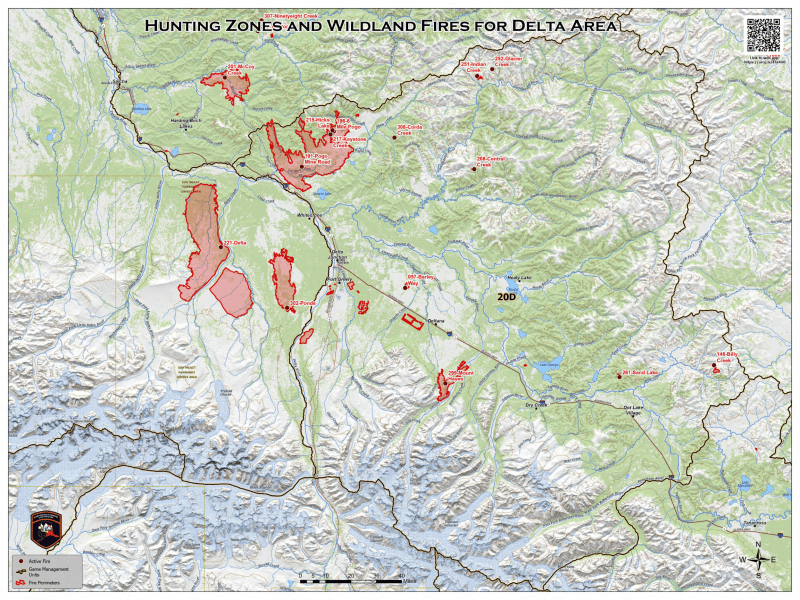
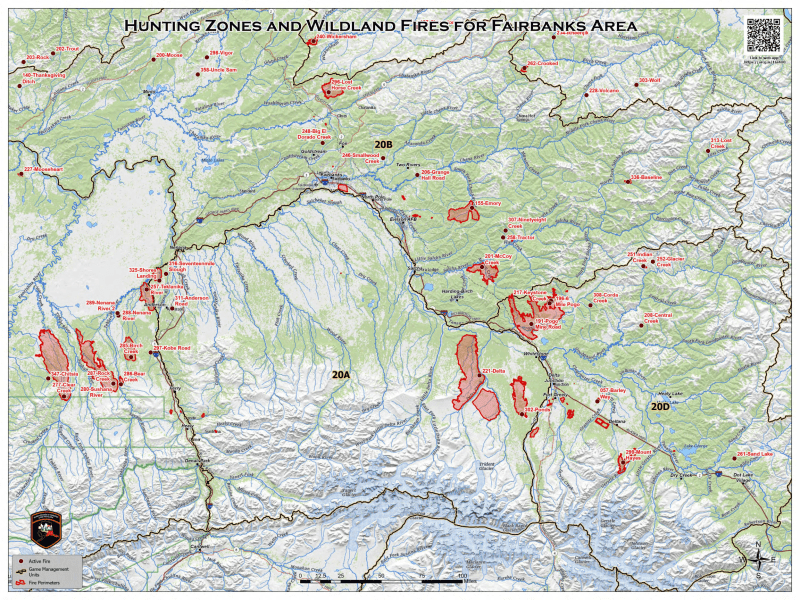
A valuable tool for hunters heading into the field is the online web app that tracks active fires within each Game Management Unit (GMU). https://arcg.is/1Gi4ri0. This app provides real-time updates on active fires, their size, and their proximity to your hunting area. Here’s how you can make the most of this resource:

- Check Before You Go:
Before heading out for your hunting trip, check the web app for the latest fire information in your chosen GMU and if your GMU was recently affected by a wildland fire: https://arcg.is/1Gi4ri0 - Plan Your Route:
Use the app to plan a safe route to your hunting location, avoiding areas with active fires or recent burn scars. By knowing where fires are active, you can choose a path that minimizes risk. Then consider downloading close-up maps from the available web-app or linked in this article. These maps can help you visualize the location of active fires and burned areas within your GMU in the field. - Share Your Location:
When out in the field, maintain communication with your fellow hunters. Share your location and establish a designated meetup point in case of separation or emergencies. Staying connected can be a lifesaver. - Be Mindful of Your Environment:
Active fires and the scars they leave behind pose significant risks to your safety. Ash pits, which can be nearly invisible, especially in low light or adverse conditions, are a hidden danger. These pits can burn at extremely high temperatures, reach considerable depths, and continue smoldering for days after the fire has passed. Additionally, dead standing trees known as snags present a life-threatening hazard. Due to their weakened or burnt root systems, they can topple with little warning, triggering other trees, and potentially causing harm to anyone caught beneath them.
The topography of the area may change significantly, with slopes and trails becoming unstable due to falling rocks and debris from fire-damaged soils.
Call 1-800-237-3633 to report an Alaskan wildland fire and please be careful while enjoying your public lands!
Categories: AK Fire Info, Fire Prevention
 Alaska Wildland Fire Information