Active Wildland Fire

Firefighters achieve 100% containment on the Tlozhavun Fire; operations remain steady on other fires in northeastern Alaska

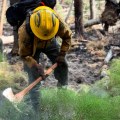
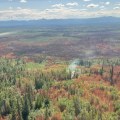
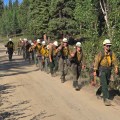
Crews achieved 100% containment around the perimeter of the Tlozhavun Fire Monday, meaning firefighters have established a control line around the fire that should keep it from spreading. Firefighters working other fires in the BLM Alaska Fire Service (BLM AFS) Upper Yukon Zone, which covers northeastern Alaska, continue to make steady progress towards the objectives identified for each fire. Fire managers will continue to watch for and be ready to respond to new starts as the region continues to experience dry conditions.

Containment continues to grow as evacuations downgrade on Himalaya Road group fires

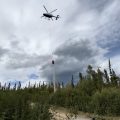
Fire activity was minimal within the Himalaya Road Fire (#223), Aggie Creek Fire (#268) and Obrien Fire (#172) yesterday. Cooler and wetter conditions will continue through Wednesday. Evacuation levels were downgraded from “Set” to “Ready” in multiple areas near the Himalaya Road Fire and the Aggie Creek Fire. Additional containment was established in Glacier Creek for the Himalaya Road Fire, bringing total containment up to 39%.

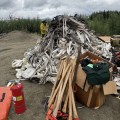
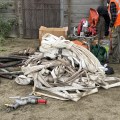
Nenana Ridge Complex: Inclement weather moves crews to Little Goldstream, where equipment removal nears completion

Bonanza Creek Fire (#238): 12,566 acres, 15% containment   Goldstream Creek Fire (#270): 20,483 acres, 21% containment  Personnel: 361 Evacuation Information: Evacuation levels were downgraded Monday, July 21st by the Fairbanks North Star Borough and the Alaska Division of Homeland Security and Emergency Management along… Read More ›

Crews continue mop up work on Tlozhavun and Turtle Fires; firefighters respond to and monitor additional fires in northeastern Alaska

Crew continue extinguishing hotspots along the edge of existing fires in the BLM Alaska Fire Service (AFS) Upper Yukon Zone that covers the northeastern Alaska as fire managers keep a watchful eye toward new starts in the region. Two fires were discovered Sunday via remote sensing on the Artic National Wildlife Refuge. The Ripple Fire (#468) is approximately 2 acres in size, with creeping, backing, and isolated torching behavior observed. The Sheenjek Fire (#467) is approximately 7 acres in size with creeping, backing, and isolated torching behavior in white and black spruce observed. Both fires will be monitored by occasional BLM AFS flights over the area.

Cloudy, cooler weather with the potential for showers across the Upper Yukon Zone early in the week will help crews make progress towards their objectives.