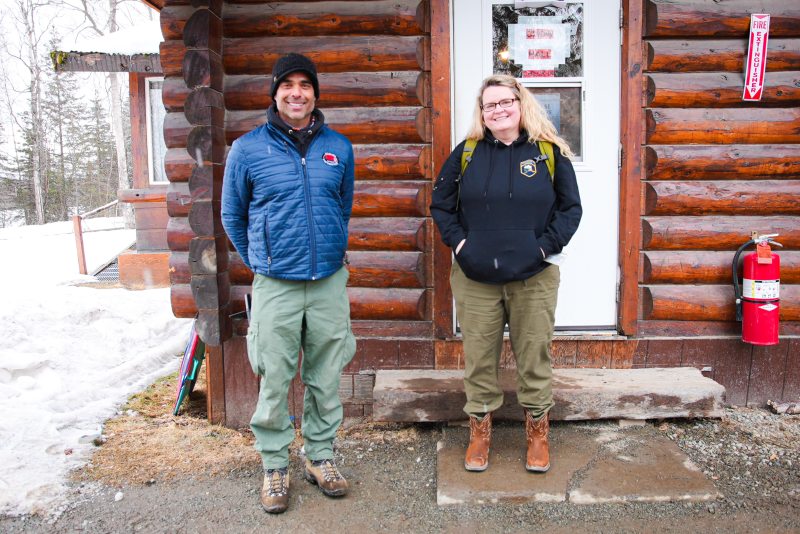
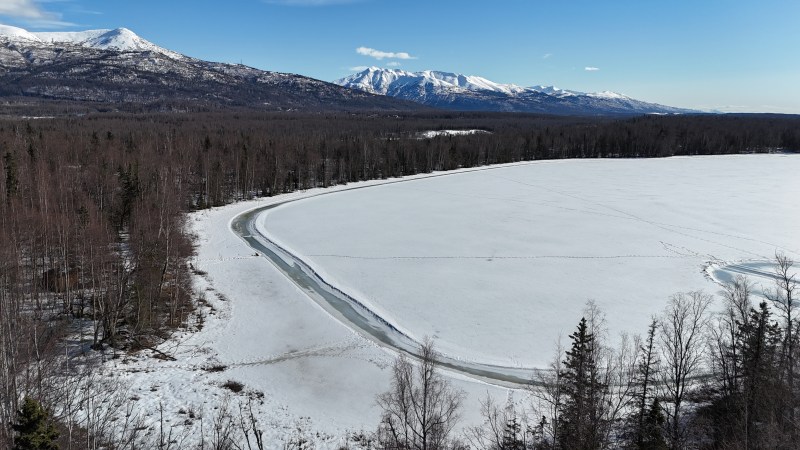
One of the coldest winters Alaska has seen in years has left the campus around Birchwood Camp buried in snow, with minimal melt-off and temperatures that bite. It hasn’t slowed a single thing.
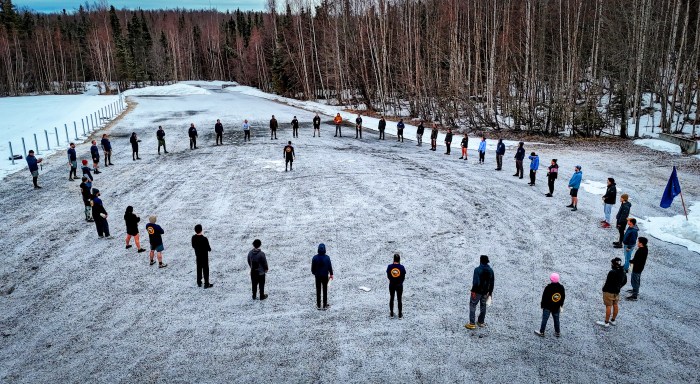
The 2026 Alaska Intermediate Wildland Firefighter Academy is now underway at Birchwood Camp in Chugiak, and it is already historic. Running from April 15 through graduation on Tuesday, April 28, this year’s Academy drew a record number of applications and a record cadet enrollment. Twenty-nine firefighters from across the state will train together for two intense weeks that are designed to push them further than they’ve ever gone before.
The Intermediate Academy is the second tier of Alaska’s Wildland Fire Academy program, a progression that takes firefighters who have already proven themselves on the fireline and challenges them on their path to leadership positions. Cadets work through an intensive curriculum built around nationally recognized NWCG courses: S-131 (Squad Boss), L-280 (Leadership), and S-271 (Helicopter Crew Member). The S-271 course will culminate with a helicopter supported field day on April 27 at the Campbell Airstrip in Anchorage. Together, these three courses equip cadets for both Alaska fire assignments and deployments nationwide.
A Record Winter. An Uninterrupted Academy.
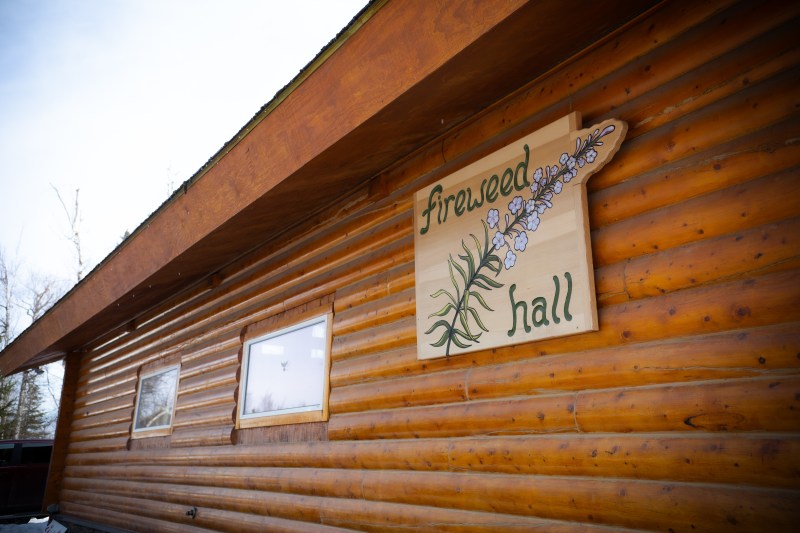
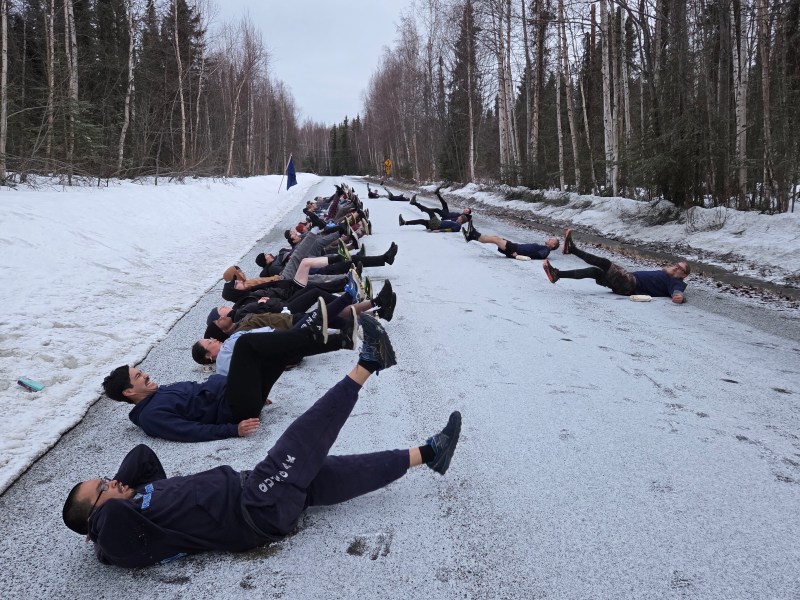
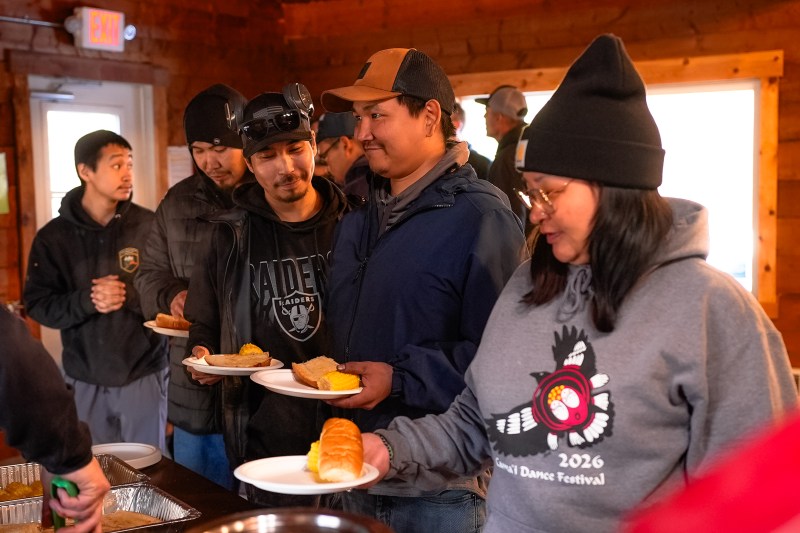
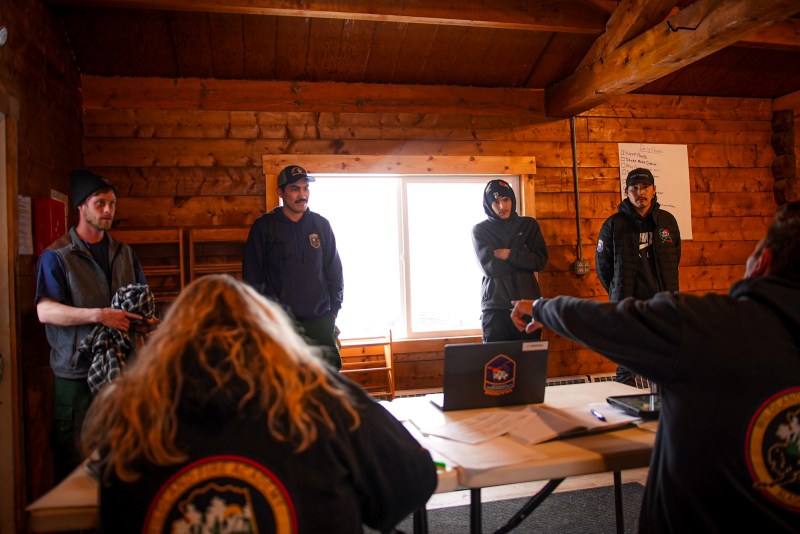
Alaska has just come through one of its coldest winters on record. Heavy snowfall, temperatures well below normal, and minimal melt-off have left the landscape around Birchwood Camp looking spring has yet to fully arrive. Spring in Alaska has never promised warmth or convenience, and the Academy has never asked it to. Cadets run physical training at dawn in the cold, execute pump operations and hose lays in full gear on frozen ground, work through patient carries over uneven terrain and snow covered terrain, and complete field scenarios that mirror exactly what they will encounter when the smoke rises this summer. The snowpack isn’t scenery—it’s part of the job. Alaska firefighters are built to adapt, work as hard as anyone out there, and get the job done with less. That’s how it is in the Great Land.
Leading by example isn’t optional here—it’s the standard. The instructors in the classroom are the same ones out front leading PT at first light, in the snow, mud and cold. Young firefighters follow their lead, and the cadre knows it. The toughness being built at Birchwood Camp is the same toughness that will show up on the firelines in Alaska this season, and on national deployments in the fall.
Passing the Torch: Building the Program From Within
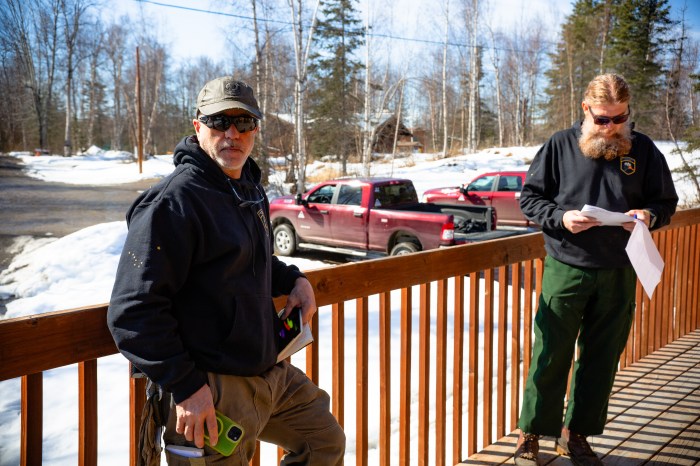
The 2026 cadre of thirteen represents something significant this year: a program actively investing in its own future. There are eight returning cadre, as well as five trainees. Alongside veteran instructors like returning Academy Incident Commander Ben Engelhardt and Operations Chief Matt Jones, who bring decades of combined experience and multiple Academy seasons between them, this year’s team includes new members stepping into instructional roles for the first time.
Cadre trainees Stephen Rawding, Dan Glass, David Ervin, and Andrew Mattox are embedded alongside the veterans, learning not just the curriculum but the craft of teaching it. First-year cadre member Isaako Muta rounds out the new additions. This is intentional. The Alaska Wildland Fire Academy has always been about more than the cadets in the seats. It is about building a bench, developing the next generation of instructors, coaches, and coordinators who will carry this unique program forward.
Returning instructors Brent Benson, Jeff Lawler, Dan Skriloff, Jarrod MacNeil, Kale Casey, Nathan Zalewski, and Planning Operations Chief Christopher Hanson anchor the experience side of the cadre, each bringing years of Academy seasons and fireline experience to the team.
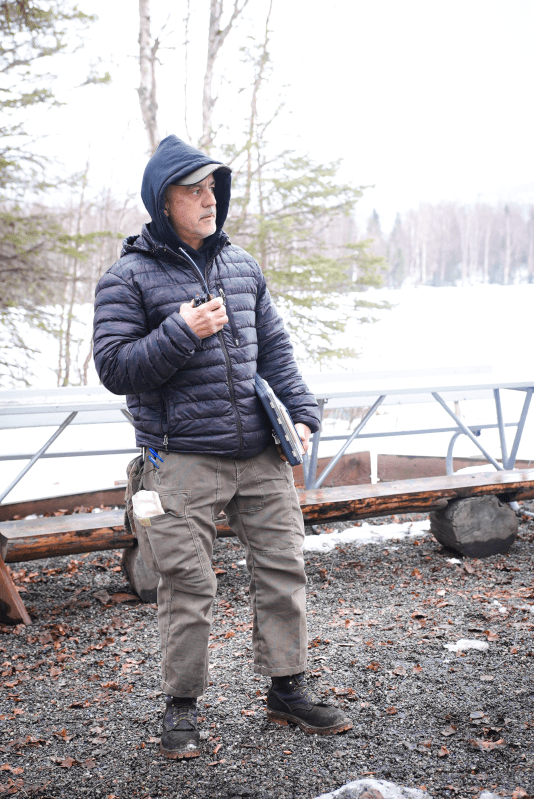
What drives all of them, veterans and trainees alike, is a shared understanding of what this work actually is. The Academy cadre does not operate top-down. The philosophy, in Jones’ own words, is “from the bottom up“: this is about the cadets, never about the cadre. Crew before you. Be willing to eat last. Carry the heaviest load, and never ask a cadet to do something you are not willing to do yourself. The days are long for cadets. They are longer for cadre. That is not a complaint, it is the standard. Training the next generation of Alaska’s wildland firefighters is not just a job. For this cadre, it is a duty.
A Statewide Cohort
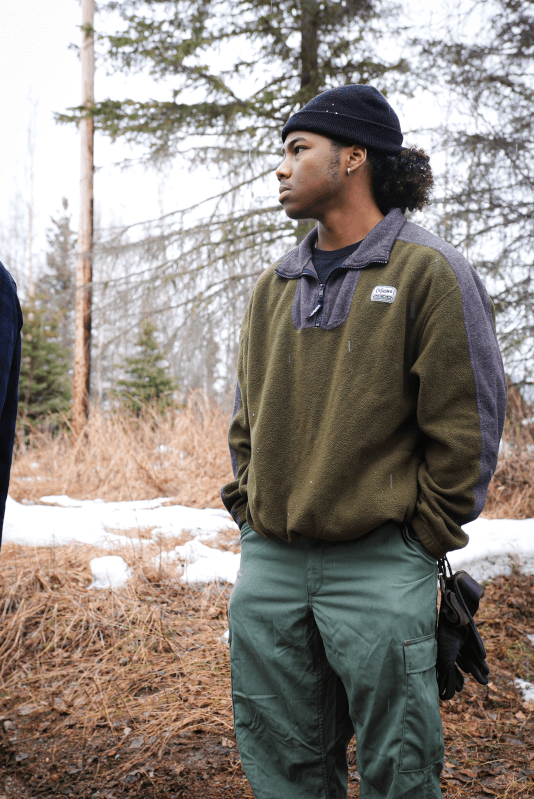
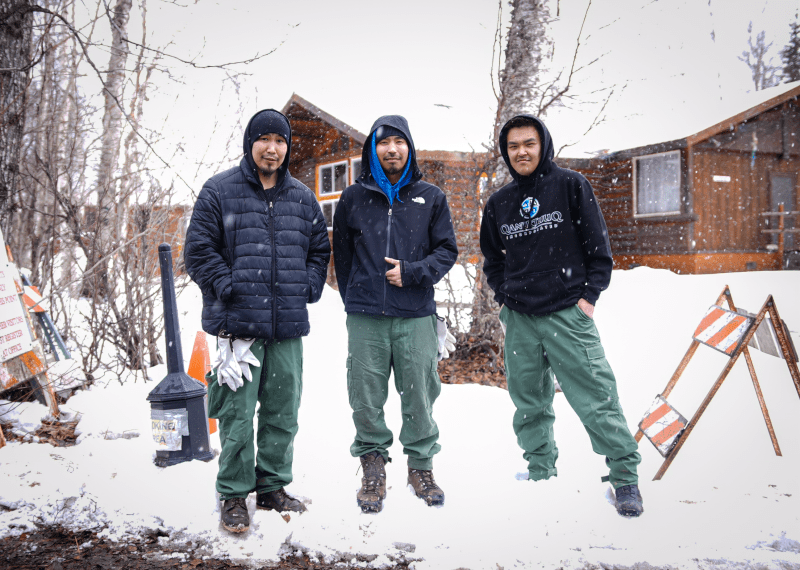
The twenty-nine cadets gathered at Birchwood Camp arrived in record numbers, the result of a record number of applications that signals a program whose reputation is reaching further across the state than ever before. Many are members of Alaska’s Emergency Firefighter (EFF) program, flying in from the remote southwest villages of Chevak, Quinhagak, Hooper Bay, Kalskag, Kwethluk, and Scammon Bay, communities where wildfire risk is real, growing, and where every locally trained firefighter is a direct asset to the people who live there. They stand alongside firefighters from Fairbanks, the Copper River Basin, Delta Junction, Mat-Su Area and the Kenai Peninsula. To get every cadet here, the Academy provides full logistical support: air transportation from the remote areas, lodging, meals, gear, and compensation for classroom hours. That investment is a direct expression of a core belief: geography should not determine who gets to become a proficient wildland firefighter.
The Kansas Forest Service: A Partnership That Delivers
The ongoing partnership between the Alaska Department of Forestry & Fire Protection and the Kansas Forest Service continues to drive the strength of the Intermediate Academy cadre. Instructors from KFS bring decades of experience from fire assignments across the Lower 48, pairing national-level practices with the realities of Alaska’s terrain and fuels. Former Pioneer Peak Hotshots Matt Jones and Brent Benson each spent years working in Alaska before moving to Kansas. The result is training that prepares cadets for both Alaska fires and mobilizations anywhere in the country.
Every year, Alaska firefighters deploy to incidents across the Lower 48, sometimes for months at a time. The shared language, tactics, and standards built during Academy training mean those deployments start with a foundation of mutual respect and trust.
The Mission and the Values That Drive It
“Alaska’s Wildland Fire Academies strive to build firefighters with a strong moral compass, effective leadership, and solid firefighting fundamentals.”
That mission takes shape every day through physical training, field exercises grounded in real Alaska conditions, classroom instruction, and five core values cadets are expected to carry with them, on and off the fireline:
| Core Value | What It Means |
| PRIDE | Remember who you are and where you come from. |
| HONESTY | Hold yourself accountable. |
| COMMITMENT | Dedicate yourself fully to the mission. |
| PREPAREDNESS | Be ready — preseason, daily, and for every opportunity. |
| RESILIENCE | Accept and overcome challenges together with your crew. |
These are not aspirational buzzwords. They are the standard of conduct for every cadet and every cadre member, reinforced daily from the morning Ops brief through lights-out. The Academy is building more than firefighters. It is building individuals with work ethic, professionalism, and integrity, people who choose the hard right over the easy wrong, on the fireline and off it. Every cadet here is reminded of what this represents: themselves, their crew, their village or community, the State of Alaska, and above all else, the Academy. That is a weight worth carrying. These values go home with them.
Final Word
Graduation is scheduled for mid morning on Tuesday, April 28, 2026, and will be live streamed on DFFP’s Facebook Page for families, friends and supporters.
As Alaska’s fire seasons grow longer and the demand for trained, mission-ready personnel grows with them, academies like this one are not optional, they are essential. For the cadre who run it, this may be the most meaningful and significant assignment of the season. For the twenty-nine cadets pushing through one of the coldest springs on record at Birchwood Camp, it is something more: a turning point. They are not just completing a training program. They are becoming the firefighters, crew leads, and future instructors that Alaska will depend on for the next decade. They are learning, in the words that drive this program, to always move forward. No gaps. No down time. No standing around. That work starts here. In the snow. In April. Before the smoke rises.
Follow Along & Learn More
Academy Shorts & Reels: https://www.youtube.com/playlist?list=PLNulU7tn9A5mRN02pYWm_rAKIiXI_cHPo
Facebook: https://www.facebook.com/AK.Forestry/
Instagram: https://www.instagram.com/akstatefire/
Alaska Training Info: forestry.alaska.gov/training
EFF Recruitment: forestry.alaska.gov/training/recruitment
Fire Medic Program: forestry.alaska.gov/fire/medicalprogram
#AlaskaWildlandFireAcademy2026 #TrainLikeWeFight WildlandFireTraining
Categories: AK Fire Info, Alaska DNR - Division of Forestry & Fire Protection (DFFP), recruitment, Training

