BY ALASKA DIVISION OF FORESTRY & FIRE PROTECTION
April 30th, 2026
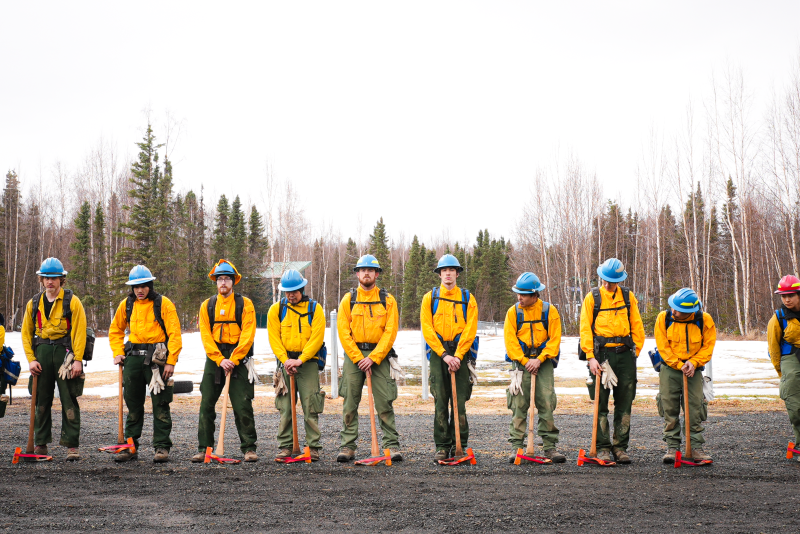
Fourteen days at Birchwood Camp transformed 29 strangers from villages, towns, and crews across Alaska into one class of fireline-ready firefighters.
The morning of the 28th at Birchwood Camp in Chugiak, 29 cadets walked across the stage at the close of the 2026 Alaska Intermediate Wildland Fire Academy. Family and friends filled the room. Some had traveled hundreds of miles to be there. Others watched the ceremony live on the Alaska Division of Forestry & Fire Protection (DFFP) Facebook page from kitchens and living rooms across the state, including villages where summer firefighting is one of the few stable wage jobs available.
Either way, they saw the same thing. Their cadet, walking forward.
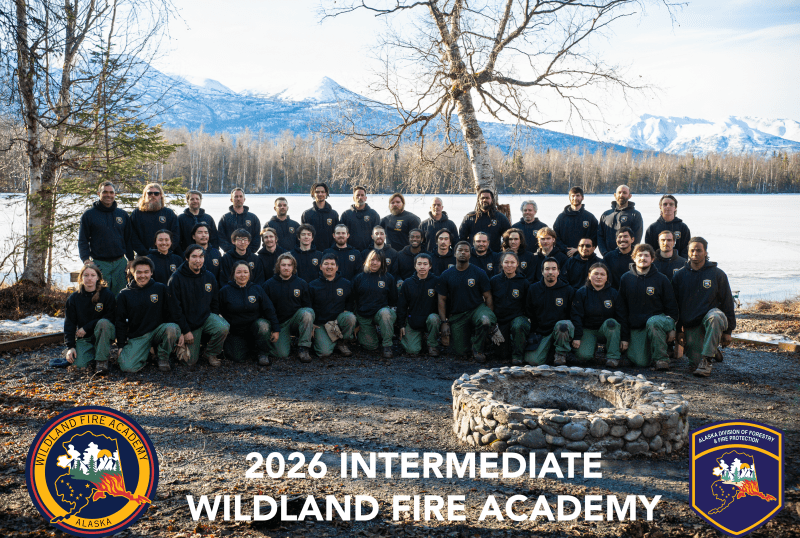
Day Two: Snow at 5:45 a.m.
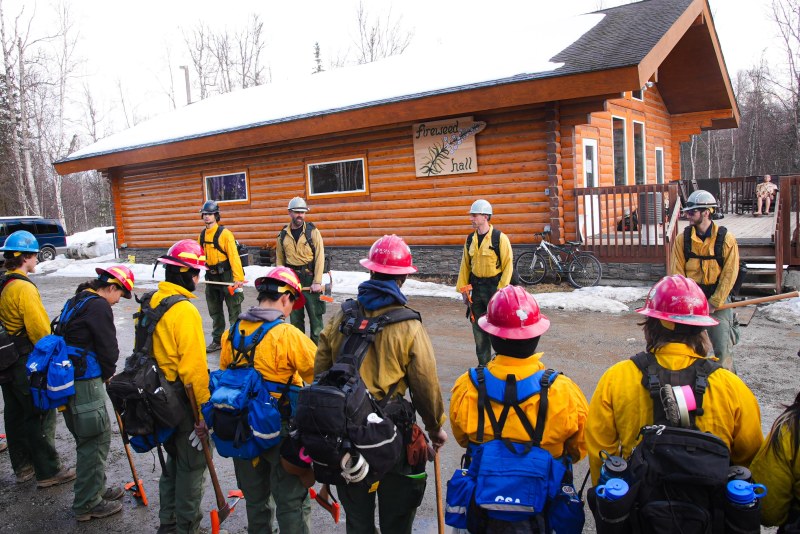
The 2026 Academy ran fourteen consecutive days at Birchwood Camp. Day Two opened with physical training (PT) at 5:45 a.m. in falling snow. Day Three followed with a 6:30 a.m. PT call in frigid cold. Most lower-48 wildland fire academies do not begin until May or June, after the winter has lifted. Alaska’s runs in April for a reason.
Coming off the coldest winter on record in Alaska, with record snowfall on the ground at camp, DFFP Public Information Officer and four-year cadre member Kale Casey said the conditions were intentional: cadets are meant to leave the Academy feeling that the fireline this summer will be easier than the training they just endured. For Jeff Lawler, a Kansas Forest Service instructor in his second year on the cadre, the morning carried a quieter meaning. “As we laid down and did PT on our backs, their warm bodies left an imprint in the snow. I don’t know that anybody understands the symbolism of how these cadets leave their imprint on us as cadre.”
Nathan Zalewski, DFFP Statewide Fuels Coordinator and former four-year Academy Coordinator, watched the same morning unfold and described the silence breaking into something else: joy. The kind of joy, he said, that only comes from doing the hard things and knowing you handled them.
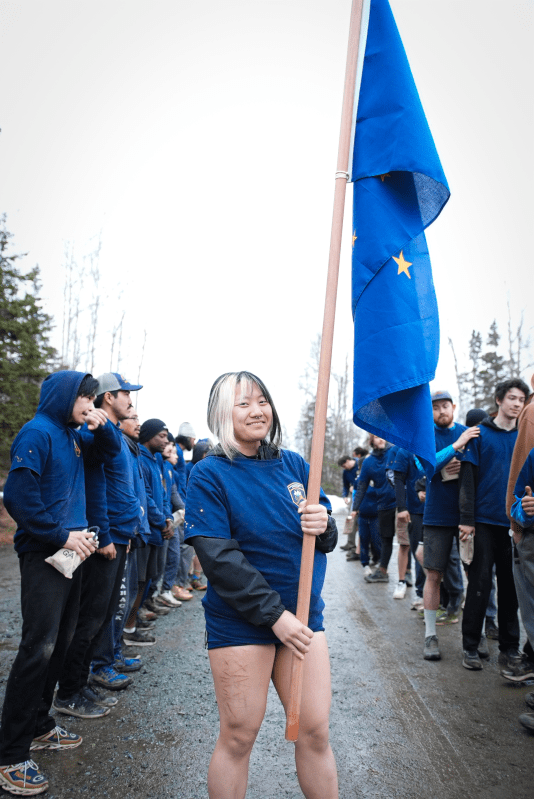
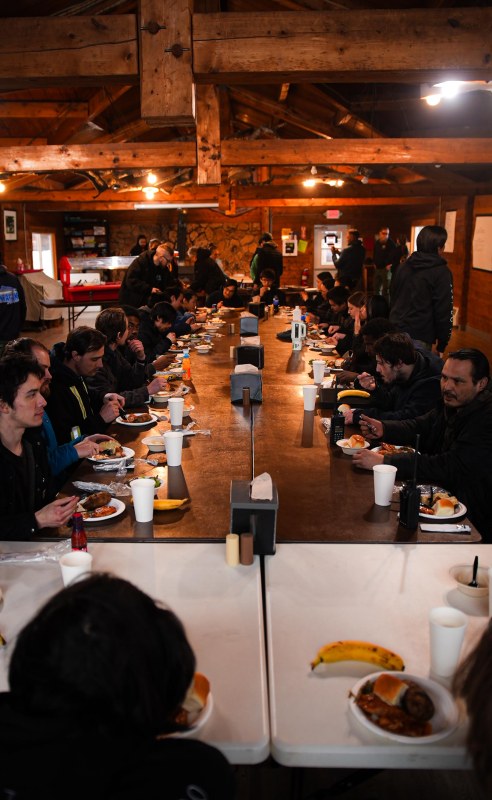
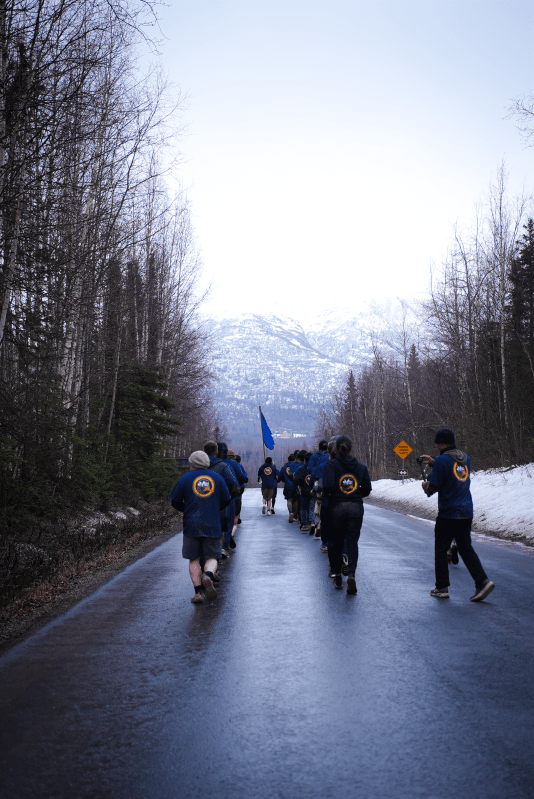
Three Courses. One Mission.
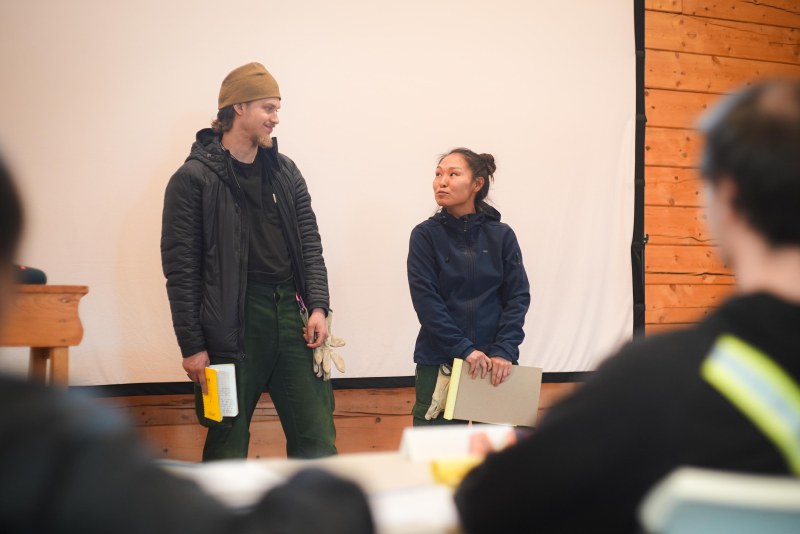
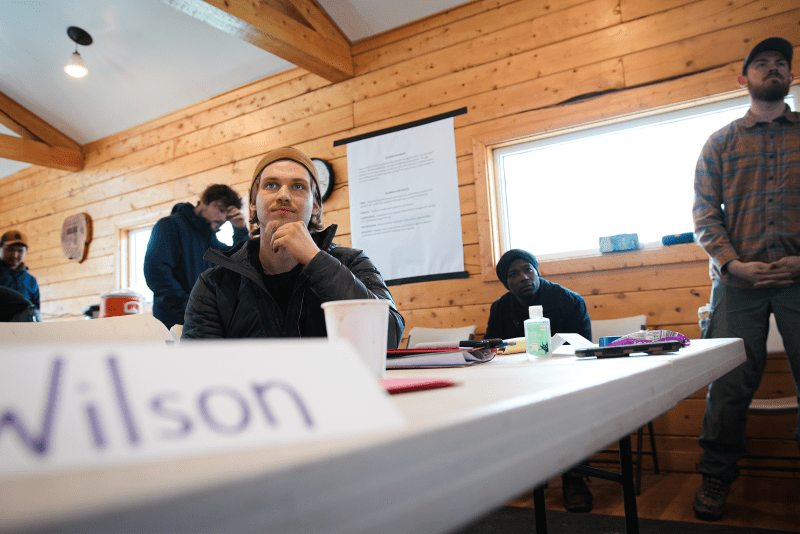
Cadets worked through the three core National Wildfire Coordinating Group (NWCG) courses required for Intermediate Academy completion: S-131 (Advanced Firefighter Training), L-280 (Followership to Leadership), and S-271 (Helicopter Crewmember). The curriculum also included extended field-day exercises, planned and hasty fire shelter deployment drills, leadership rotation in squad-based scenarios, and medical incident response training.
Operations Chief Matt Jones, a 30-year wildland fire veteran Kansas Forest Service, framed the design philosophy in military terms: train like we fight. Long days, fourteen hours plus, mostly in the field, mostly cold, mostly wet. The result, by design, is mental fortitude.
Cadre built every team exercise around real fireline scenarios. Leadership rotated through the squad day after day. By Day 14, every cadet had stepped into the lead, and every cadet had learned that listening is just as critical as giving direction.
Five core values anchored every formation: PRIDE. HONESTY. COMMITMENT. PREPAREDNESS. RESILIENCE. And the Academy’s mission statement: “Alaska’s Wildland Fire Academies strive to build firefighters with a strong moral compass, effective leadership, and solid firefighting fundamentals.”
The Cadets Who Came Here
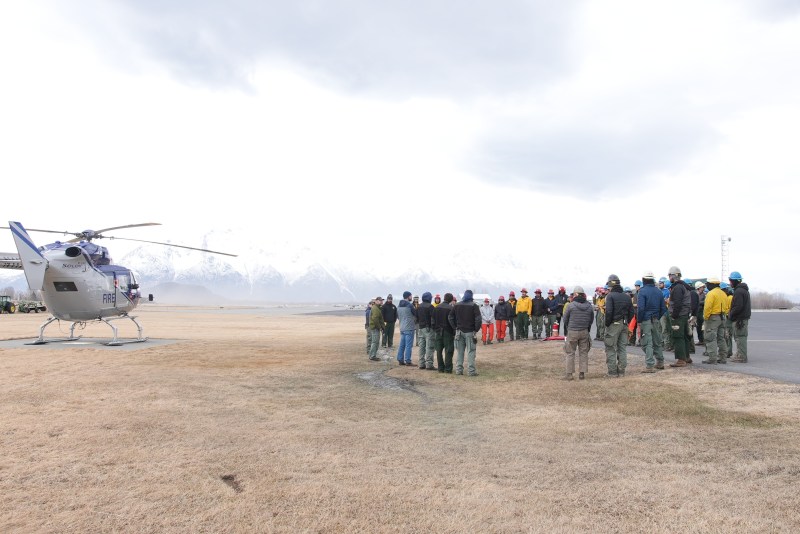
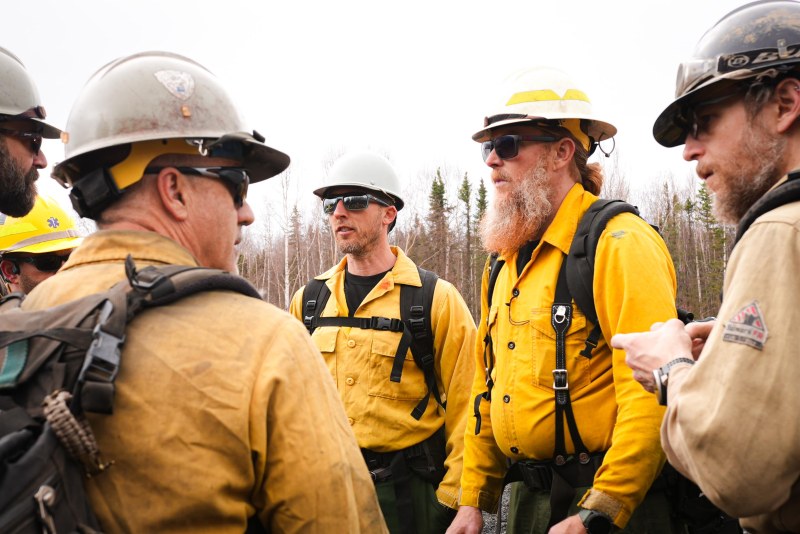
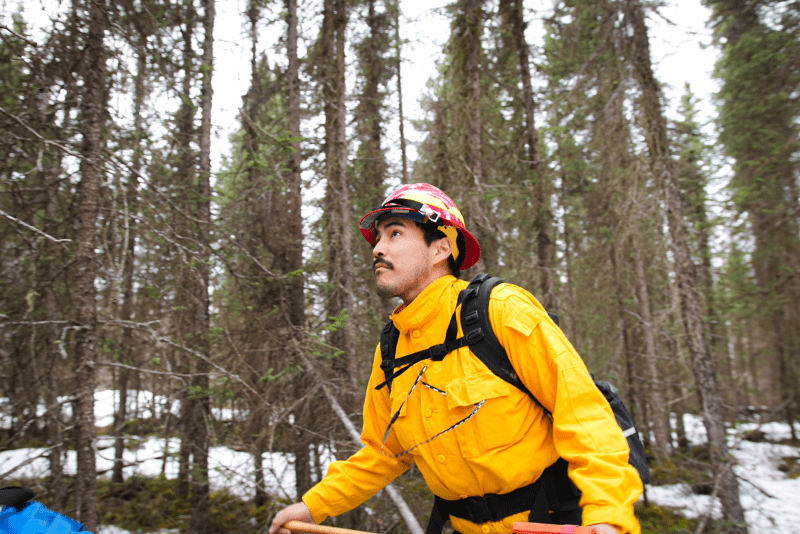
This year’s class arrived from villages across Western Alaska, from the Interior, and from towns along Alaska’s road system. They came from Anchorage, Fairbanks, the Mat-Su Valley, the Kenai Peninsula, and from villages where the only way in or out is by airplane. Many of these cadets will be flown into a wildfire this summer by helicopter, with no road in and no road out.
Dan Glass, a Fairbanks-based wildland fire technician serving as cadre trainee, said the remote nature of Alaska helitack work is precisely why the Academy returns again and again to the basics. The basics, he said, are what keep firefighters alive when they are dropped into terrain with no road home.
David Ervin, a cadre trainee and helicopter manager out of Tok, said preparing cadets for fourteen-day deployments in the Alaska bush goes beyond firefighting tactics. It is camp setup, campsite etiquette, dangerous game protocols, and the basic survival skills no classroom can simulate.
For many cadets, completing the Academy is more than a credential. It is a paycheck that travels home to a household that depends on it. Casey said that paycheck means groceries, snow machine repairs, fuel, hunting rifles, ammunition, and firewood for the winter, and that it ripples out from each firefighter to aunts, uncles, and cousins across the village.
From the Land Itself
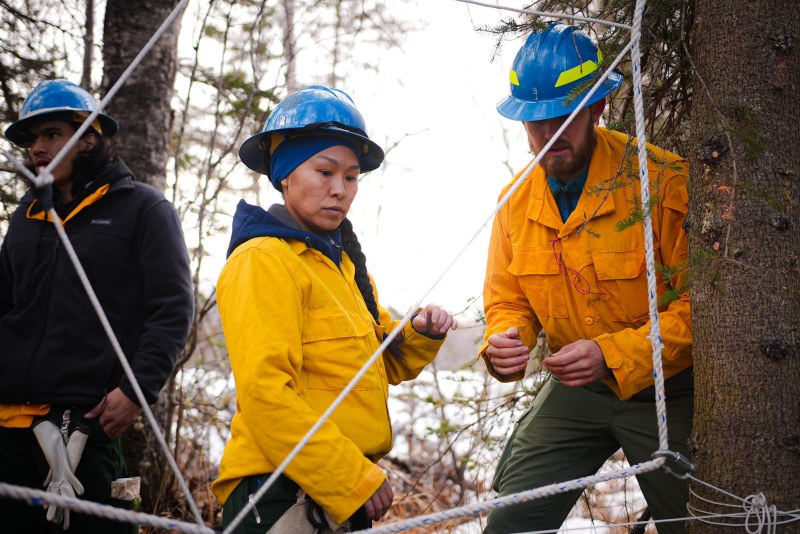
A core premise of Alaska wildland fire is that the workforce defending the land should come from the land. For many cadets, that is exactly what graduation represents. Glass said the Academy reaches villages where work is scarce, and that cadets fly home with pride and with skills that translate beyond fire into every part of village life. Ervin took it further. The cadets who graduate, he said, take home not only leadership skills but the confidence to speak up as leaders in their hometowns.
Andrew Mattox, a cadre trainee and Academy medic who returned to wildland fire after a twenty-year absence, said the exchange runs both ways. The cadre, he said, take as much from the cadets as they give: their lives off the end of the road system, their heart and soul, their adaptability, and their viewpoints from a different way of life.
For Jones, the cultural weight of village wildland firefighting runs generations
deep. “They’ve been fighting fire in Alaska well before I was ever born, in blue jeans and carrying a gunny sack. This is their warrior mentality. This is their hunter-gatherer mentality. They get to go out on a campaign, and they get to come home. Heroes within their own community.”
The Cadre Who Built This Class
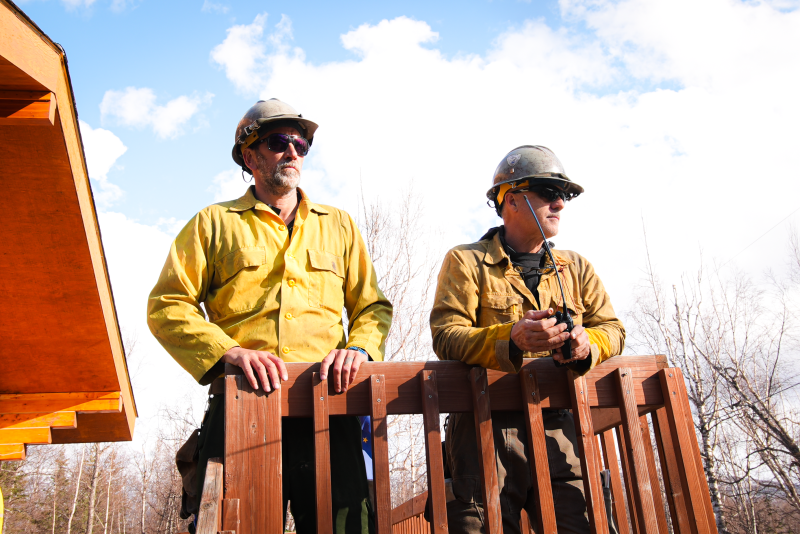
The 2026 Academy was led by a 13-member cadre and cadre-trainee team that included Incident Commander Ben Engelhardt, Operations Chief Matt Jones, squad coaches Brent Benson and Daniel Skriloff, instructors Jeff Lawler and Jarrod MacNeil, Public Information Officer Kale Casey, instructor and mentor Nathan Zalewski, Planning Operations Chief Christopher Hanson, and cadre trainees David Ervin , Dan Glass, Andrew Mattox, Stephen Rawding, and Isaako Muta.
For Jones, the Academy’s purpose runs deeper than NWCG certifications. Wildland fire skills can be taught, he said, but no certificate compensates for the absence of the human foundation underneath them.
Zalewski echoed it from a different angle: any academy in the country can hand out a card, but Alaska’s strives to build human beings alongside firefighters.
Why the focus on personal qualities? Because many of the cadre are deeply seasoned firefighters who have fought fire in the hard environments, seen major accidents and fatalities, seen extreme fire behavior, operated with minimal support, and dealt with all the challenges that can happen on remote fires. Some would argue they have seen some of the worst wildfire that can be thrown at us, from long seasons to disaster fires to extended fire tours covered in poison oak rashes and beset by foot poisoning, and they knew that in these situations the technical skills are not enough, it is our human qualities that carry us through and turn a good crew into a great one.
The Workforce That Made It Happen
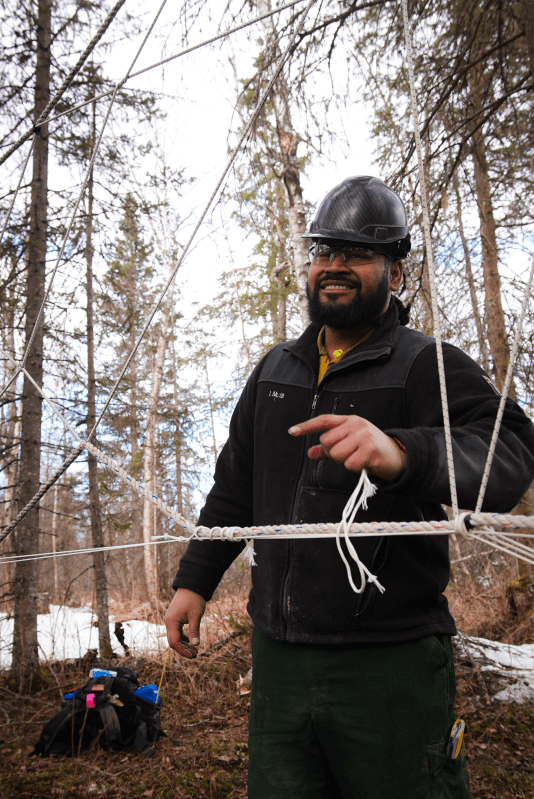
The 2026 Academy did not happen on its own. Behind every drill, every meal, and every flight in and out was a team of DFFP professionals who never stepped on the stage. Logistics. Dispatch. Warehouse. Finance. Medical. Planning. Area office staff. The aviation crews who flew cadets in from villages with no road access. The caterer who kept the chow hall running with two hot meals and a typical brown bag lunch for fourteen straight days. The training staff who built the curriculum month after month. Without that statewide support, Casey said, the Academy would not be nearly what it is.
DFFP also recognizes the Kansas Forest Service and the Manitou Springs Fire
Department (CO) for sending cadre members to support Alaska’s training pipeline, and the broader interagency wildland fire community whose partnerships sustain training programs across the state.
Follow Along & Learn More
Academy Shorts & Reels: https://www.youtube.com/playlist?list=PLNulU7tn9A5mRN02pYWm_rAKIiXI_cHPo
Facebook: https://www.facebook.com/AK.Forestry/
Instagram: https://www.instagram.com/akstatefire/
Alaska Training Info: forestry.alaska.gov/training
EFF Recruitment: forestry.alaska.gov/training/recruitment
Fire Medic Program: forestry.alaska.gov/fire/medicalprogram
#AlaskaWildlandFireAcademy2026 #TrainLikeWeFight WildlandFireTraining
Categories: AK Fire Info, Alaska DNR - Division of Forestry & Fire Protection (DFFP), recruitment, Training
 Alaska Wildland Fire Information