FAIRBANKS, Alaska — In Alaska, wildfire protection is provided by three protection agencies: the U.S. Wildland Fire Service, the State of Alaska Division of Forestry & Fire Protection and the U.S. Forest Service. Together, they provide protection across nearly all lands in the state.
Unlike much of the Lower 48, Alaska’s wildfire protection framework is organized by geographic response areas rather than land ownership. This approach allows the protection agency assigned to each area to respond efficiently across the state’s vast and often inaccessible terrain.
The Interior Department is continuing a phased approach to unifying wildland fire management operations and activities that were previously managed by the Bureau of Indian Affairs, Bureau of Land Management, Fish and Wildlife Service, National Park Service, Office of Aviation Services and Office of Wildland Fire under the U.S. Wildland Fire Service.
For Alaska fire personnel and partners, current firefighting capabilities remain fully in place, and there will be no gap in response capacity. The phased approach is intended to align personnel, systems and support functions while maintaining readiness for wildfire activity and close coordination with federal, state, tribal and local partners.
That work was the focus of a recent visit by U.S. Wildland Fire Service Chief Brian Fennessy and members of his leadership team, who spent five days in Alaska in May meeting with USWFS personnel, Department of the Interior bureau leaders, land managers and interagency partners across the state.
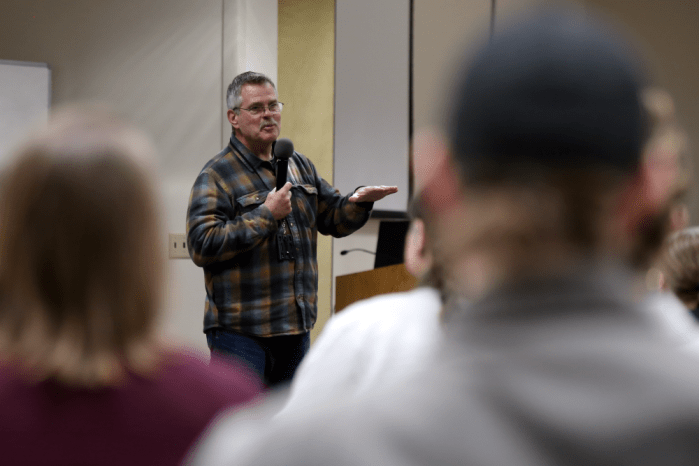
USWFS Chief Brian Fennessy addresses USWFS personnel during an all-employees meeting at USWFS facilities at Fort Wainwright on May 12, 2026. Photo by Beth Ipsen, Interior Department. 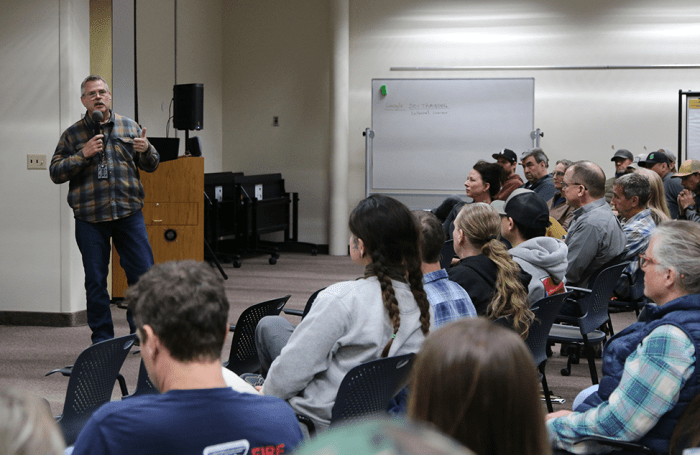
USWFS Chief Brian Fennessy addresses USWFS personnel during an all-employees meeting at USWFS facilities at Fort Wainwright on May 12, 2026. Photo by Beth Ipsen, Interior.
The visit provided an opportunity for USWFS leadership to hear directly from Alaska-based fire personnel and partners about the operational realities of managing wildfire across nearly all land ownership in the state. It also allowed leaders to discuss the ongoing USWFS transition and how the USWFS will continue supporting wildfire response, aviation, logistics, fuels treatment work and interagency coordination.
Two days of the visit were spent at USWFS facilities at Fort Wainwright, long known as the Alaska Fire Service. The leadership team toured key facilities, received briefings from Alaska-based firefighting, aviation, logistics and coordination teams, and spoke with employees about the opportunities and challenges of operating in one of the most remote and diverse fire landscapes in the nation.
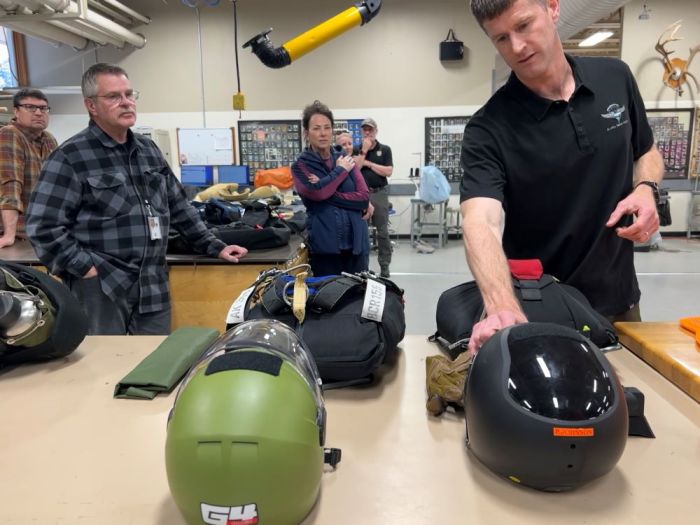
Alaska Smokejumper Pat Johnson shows Chief Fennessy skydiving and high-performance ski helmets modified for use when they parachute from aircraft into remote fire locations. Also pictured are USWFS Alaska Deputy Fire Chief Abe Davis (far left), USWFS Alaska Fire Chief Kelly Kane (center), Deputy Director of Aviation Operations and Management Susie Bates, and Brad Reed, the USWFS Deputy Regional Fire Management Officer for the National Wildlife Refuge System in Alaska. Photo by B. Ipsen, Interior Department 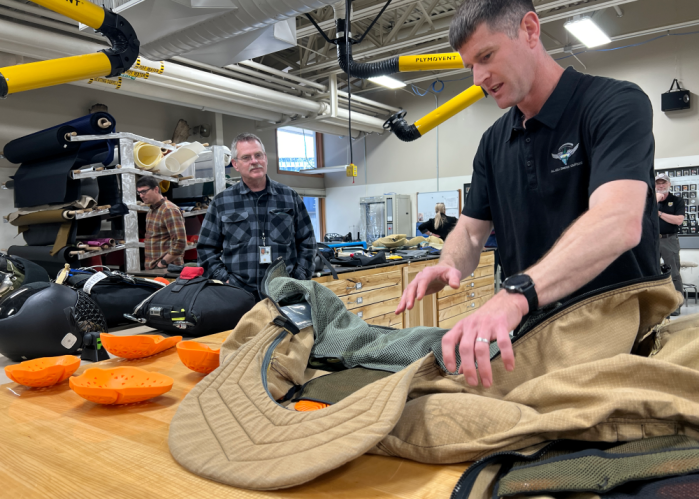
Alaska Smokejumper Parachute Loft Manager Pat Johnson, right, explains to U.S. Wildland Fire Service Chief Brian Fennessy the equipment modifications smokejumpers have developed over the years to increase safety. Johnson briefed Fennessy during a tour of the Fort Wainwright smokejumper base on May 13, 2026. Also pictured is USWFS Deputy Fire Chief Abe Davis.
Alaska Smokejumper Parachute Loft Manager Pat Johnson, right, explains to U.S. Wildland Fire Service Chief Brian Fennessy the equipment modifications smokejumpers make to enhance safety during fire jumps. Aside from their parachutes, smokejumpers build or modify most of their own gear, including padded Kevlar suits and harnesses and skydiving and high-performance ski helmets modified for use when they parachute from aircraft into remote fire locations. Johnson briefed Fennessy during a tour of the Fort Wainwright smokejumper base on May 13, 2026, highlighting smokejumpers’ ongoing efforts to improve equipment and reduce risk.
They also traveled to Fort Yukon to visit the remote, turn-key fire station near the Arctic Circle, which supports communities and fire operations across northeastern Alaska. The stop highlighted the scale of Alaska’s fire management responsibilities and the essential role of aviation, preparedness and partnerships in supporting wildfire response across areas with limited road access.
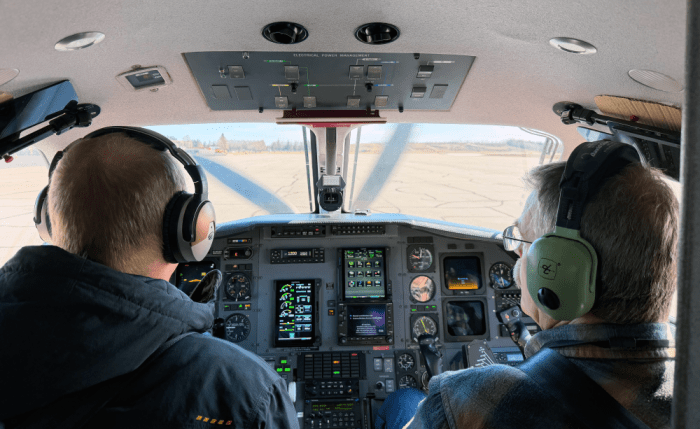
USWFS Pilot Carl Helquist, on the right, chats with USWFS Chief Brian Fennessey as they wait to take off from Ladd Air Field on Fort Wainwright to fly to Fort Yukon on May 12, 2026. Photo by Abe Davis, USWFS 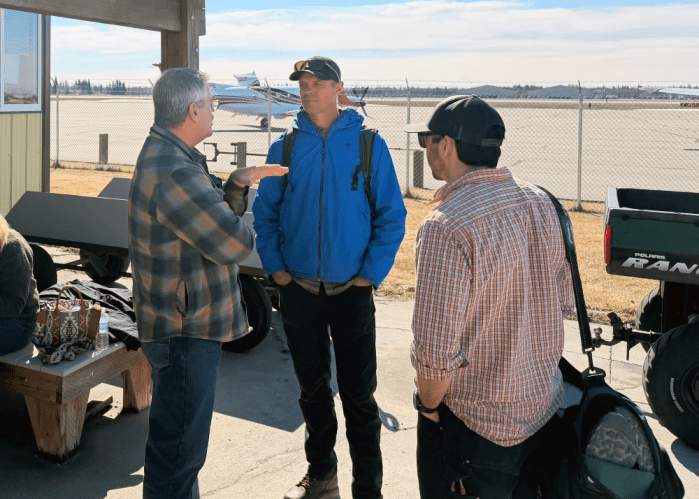
USWFS Chief Brian Fennessey, on the left, chats with USWFS Upper Yukon Zone Fire Management Officer Kip Shields (in blue) and Assistant Fire Management Officer Brian Pitts (on the right) as they at Flight Operations before flying from Fort Wainwright’s Ladd Air Field to the USWFS remote fire station in Fort Yukon on May 12, 2026. Photo by Abe Davis, USWFS
The Alaska Fire Service, previously a division of the Bureau of Land Management, has provided suppression responsibility for about 245 million acres of Department of the Interior and Native lands in Alaska since 1982. That long-standing operational model remains an important example of coordinated fire management within the Department of the Interior.
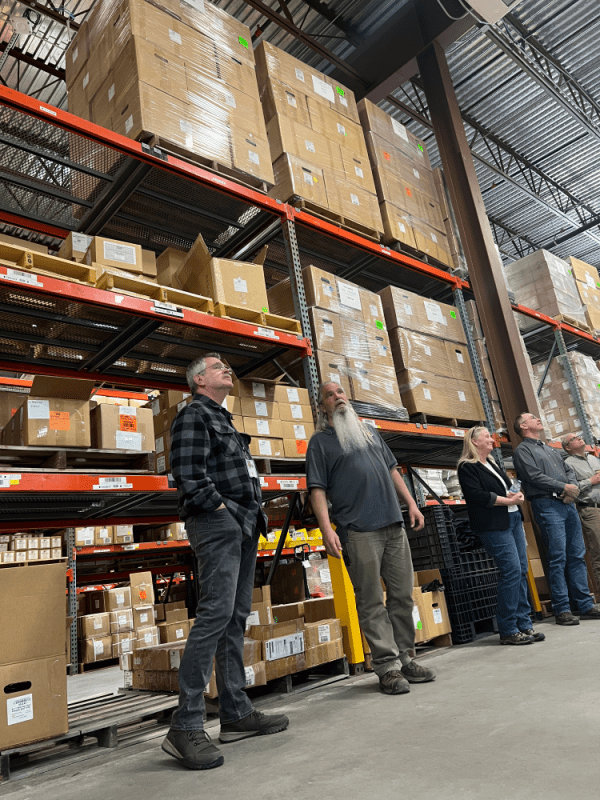
USWFS Alaska Cache Manager Freddie Manager Dierenfield explains to U.S. Wildland Fire Service Chief Brian Fennessy the equipment that goes into kits that are sent to the field and how they are different than field kits in the Lower 48. The briefing took place May 13, 2026, during a tour of USWFS facilities at Fort Wainwright. 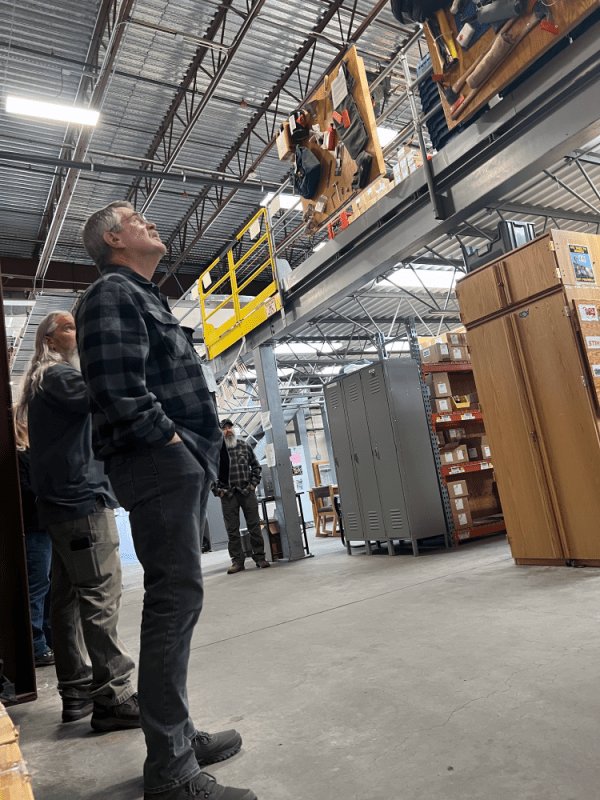
USWFS Alaska Cache Manager Freddie Manager Dierenfield explains to U.S. Wildland Fire Service Chief Brian Fennessy the equipment that goes into kits that are sent to the field and how they are different than field kits in the Lower 48. The briefing took place May 13, 2026, during a tour of USWFS facilities at Fort Wainwright. Photo by B. Ipsen, Interior 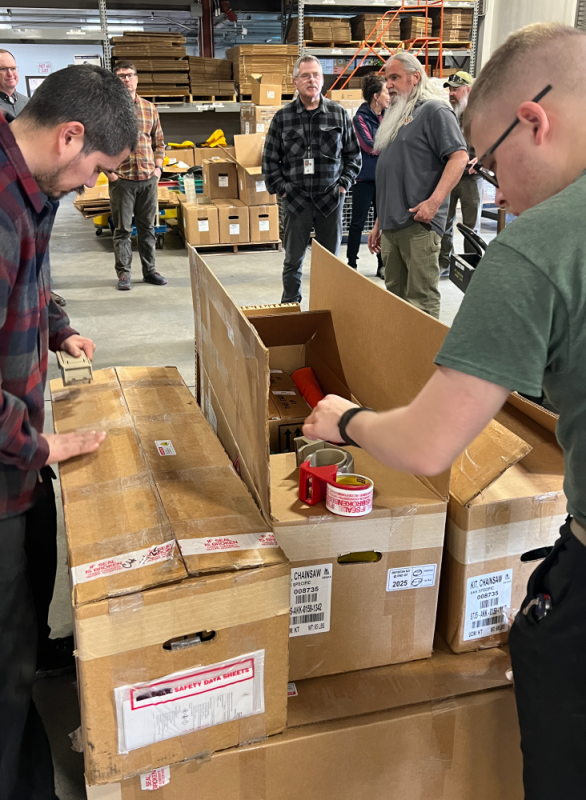
USWFS Alaska Cache Manager Freddie Manager Dierenfield explains to U.S. Wildland Fire Service Chief Brian Fennessy the equipment that goes into kits that are sent to the field while packers Gene David, on right, and Alex Wing, pack chainsaw kits. Photo by B. Ipsen, Interior Department
Alaska’s vast geography, remote communities, limited road access and an often intense and highly variable fire season make wildland fire management one of the state’s most important public safety and land management responsibilities.
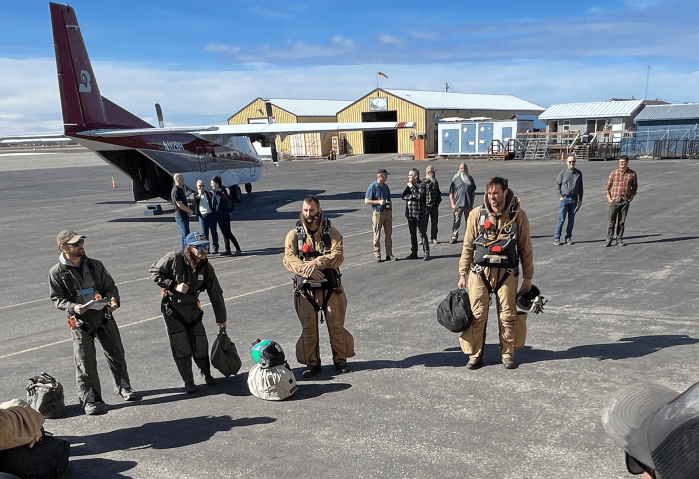
The USWFS team in Alaska extends its thanks to Chief Fennessy and the accompanying USWFS leaders who joined him for their time, engagement, and willingness to experience firsthand the distinct challenges and opportunities of wildland fire management in Alaska.
Contact Public Affairs Specialist Beth Ipsen at Elizabeth_ipsen@ios.doi.gov or (907)356-5510 for more information.
-USWFS-
U.S. Wildland Fire Service, P.O. Box 35005 1541 Gaffney Road, Fort Wainwright, Ak 99703
Need public domain imagery to complement news coverage of the USWFS in Alaska? Visit our Flickr channel!
Learn more online, and on Facebook and Twitter.
Categories: AK Fire Info, US Wildland Fire Service

