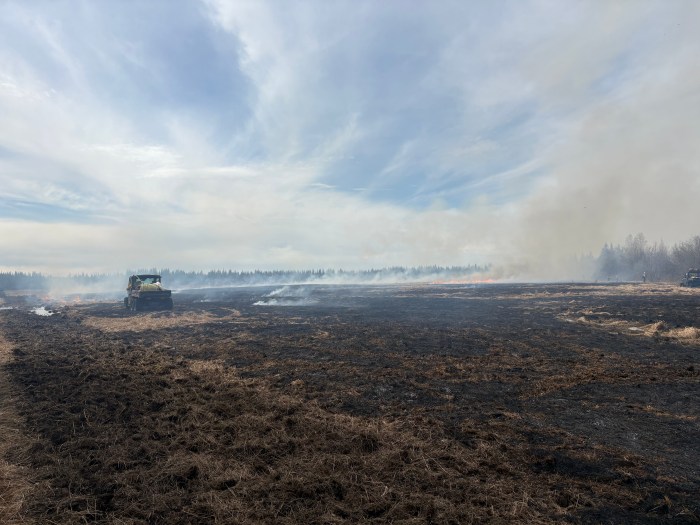
Every spring, residents of Fairbanks might notice a familiar column of smoke rising from the Creamer’s Field Migratory Bird Refuge. For the untrained eye, it might look like cause for alarm, especially during a weekend when a public burn suspension is in place.
However, what is happening at Creamer’s Field is a meticulously planned, highly coordinated effort between the Alaska Department of Fish and Game (ADF&G) and the Division of Forestry & Fire Protection (DFFP). Far from an ordinary fire, this annual prescribed burn is an essential tool for both ecological health and firefighter training.
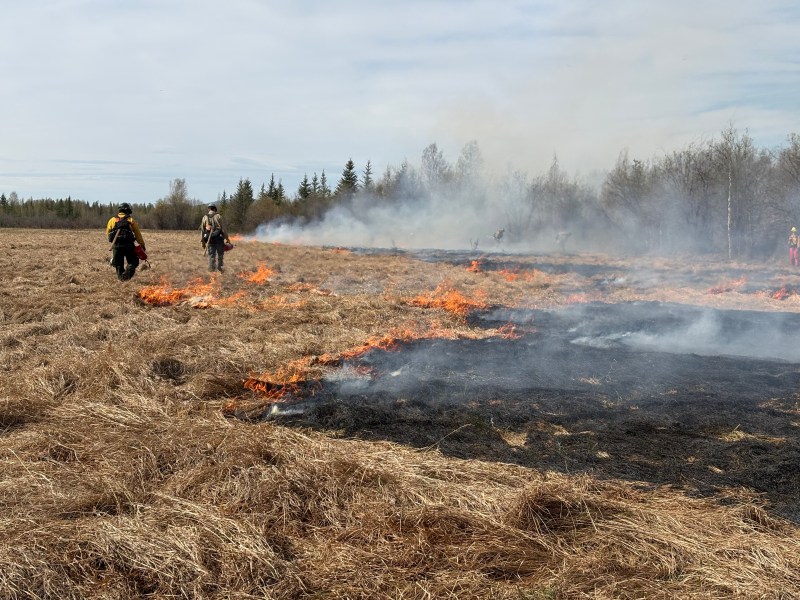
The Ecological Mission: New Life from Old Grass
The primary objective of the Creamer’s Field burn is incredibly focused: to clear away the thick, matted layer of dead grass from the previous year.
While dead grass may seem harmless, it chokes out new growth and blocks sunlight from reaching the soil. By safely removing this dead fuel bed, the prescribed fire unlocks vital ecological benefits:
- Nutrient Recycling: The ash left behind acts as a natural, nutrient-rich fertilizer, rapidly returning nitrogen and minerals to the soil.
- Enhanced Foraging: It stimulates the immediate growth of lush, nutrient-dense new grasses.
- Habitat Improvement: This fresh vegetation provides high-quality food and ideal nesting grounds just in time for arriving migratory birds and local wildlife.
Ultimately, the fire creates a healthier, more vibrant ecosystem that supports the very wildlife the refuge was created to protect.
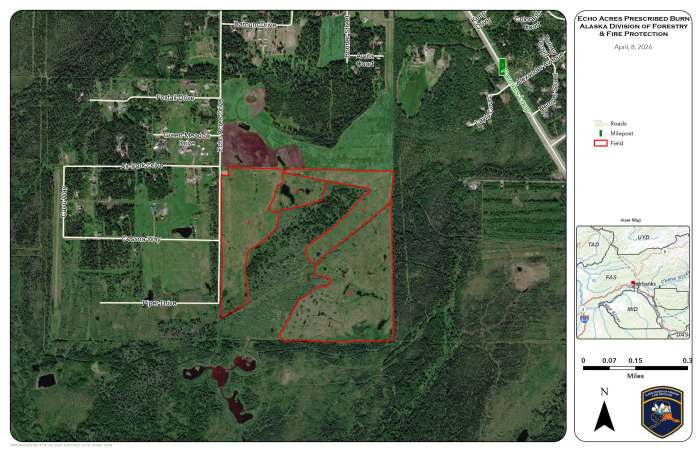
Meticulous Planning
A prescribed burn does not happen on a whim. It is a highly scientific, collaborative process that requires months of preparation. Before a single match is struck, a complex web of experts must give the green light:
- Wildlife Biologists determine the exact timing to maximize benefits for the birds while minimizing disruption to other wildlife.
- Incident Commanders map out precise boundaries and safety parameters.
- Meteorologists provide specialized, localized “spot weather forecasts” to ensure wind speed, direction, and humidity are perfectly aligned.
- DEC Air Quality Experts monitor the atmospheric conditions to ensure smoke disperses safely.
- Dispatchers notify cooperators and local 911 dispatch centers 72 hours in advance of prescribed burns to ensure that everyone is on the same page so that way in the event of a 911 call from the public about the prescribed burn, they are informed
- Public Information Officers notify 30 days in advance with Public notices and social media pushes, as well as 24 hours in advance, and as soon as there is a fire on the ground to ensure there is as much notice and up-to-date information as possible.
While the burn does create mild smoke impacts in the Fairbanks area, the smoke is typically limited to just one to two days, a small, temporary trade-off for a massive, long-term environmental benefit and a reduction in local wildfire threats.
The Evolution of Firefighting Training & Community Partnerships
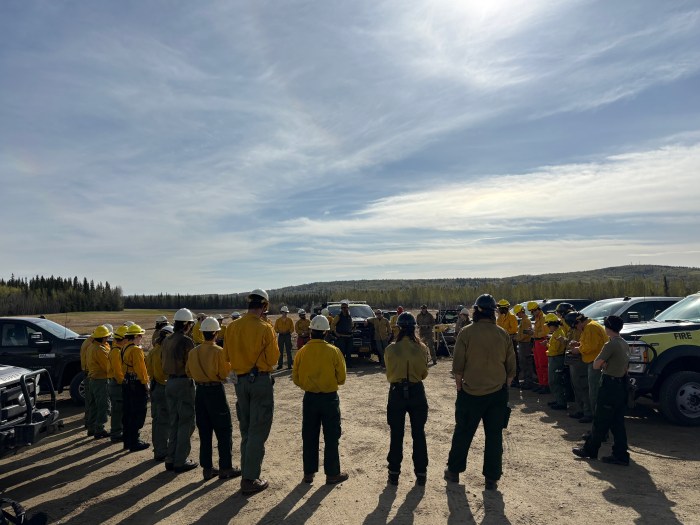
Beyond its ecological merit, Creamer’s Field serves as a vital, living classroom. The Fairbanks Area Division of Forestry & Fire Protection utilizes this burn to advance the training of over 20 highly educated firefighters and fire managers.
It is an important cornerstone in the evolution of local firefighting readiness, serving as a premier opportunity for inter-agency collaboration. This year’s successful operation wouldn’t have been possible without the vital contributions of:
- The DFFP White Mountain Fire Crew
- The Fairbanks Area DFFP Firefighters
- The Ester Volunteer Fire Department
- The McKinley Volunteer Fire Department
Working side-by-side in a controlled environment allows these diverse crews to practice communication, master specialized equipment, and study fire behavior in real-time.
A Special Thanks: We also want to give a huge shout-out to PIO Kaitlin Wilson from the Fairbanks North Star Borough, who joined us on-site this year to embed with the crews and learn more about the complexities of wildland fire management. Building these bridges with the borough is invaluable for the future of our community’s fire safety.
Addressing the Comment: “If We Can’t Burn, Why Can They?”
When a public burn suspension is enacted, it naturally raises questions when community members see smoke coming from a state-managed project. A common sentiment is: “If homeowners aren’t allowed to burn, the fire department shouldn’t be allowed to either.”
While that frustration is understandable on the surface, the comparison overlooks the vast difference between a backyard burn barrel and a professionally prescribed fire operation.
Why the Rules Are Different
| Feature | Private Homeowner Burn | DFFP Prescribed Burn |
| Primary Goal | Debris disposal. | Ecological health & fuel reduction. |
| Personnel | Typically 1–2 individuals. | 20+ trained, certified wildland firefighters. |
| Resources | Garden hose, household tools. | Specialized equipment, dedicated water tanks/bladders, specialized suppression tools. |
| Weather Monitoring | General phone app/local look. | Dedicated meteorologists providing hourly updates. |
| Contingency Plan | Calling 911 if things go wrong. | Built-in secondary containment lines and pre-positioned suppression forces. |
The sole intention of a public burn suspension is to limit human-caused wildfires when regional conditions are dry or volatile. Homeowners, despite their best intentions, rarely possess the specialized tools, extensive training, heavy water sources, and months of strategic planning that go into a professional operation.
Even during the suspension, the Creamer’s Field burn met an incredibly strict, specific set of environmental and safety conditions. Because the site was backed by fire experts and specialized suppression equipment, firefighters were able to safely execute the burn, eliminating a major source of dry fuel that could have otherwise sparked a wildfire later in the season.
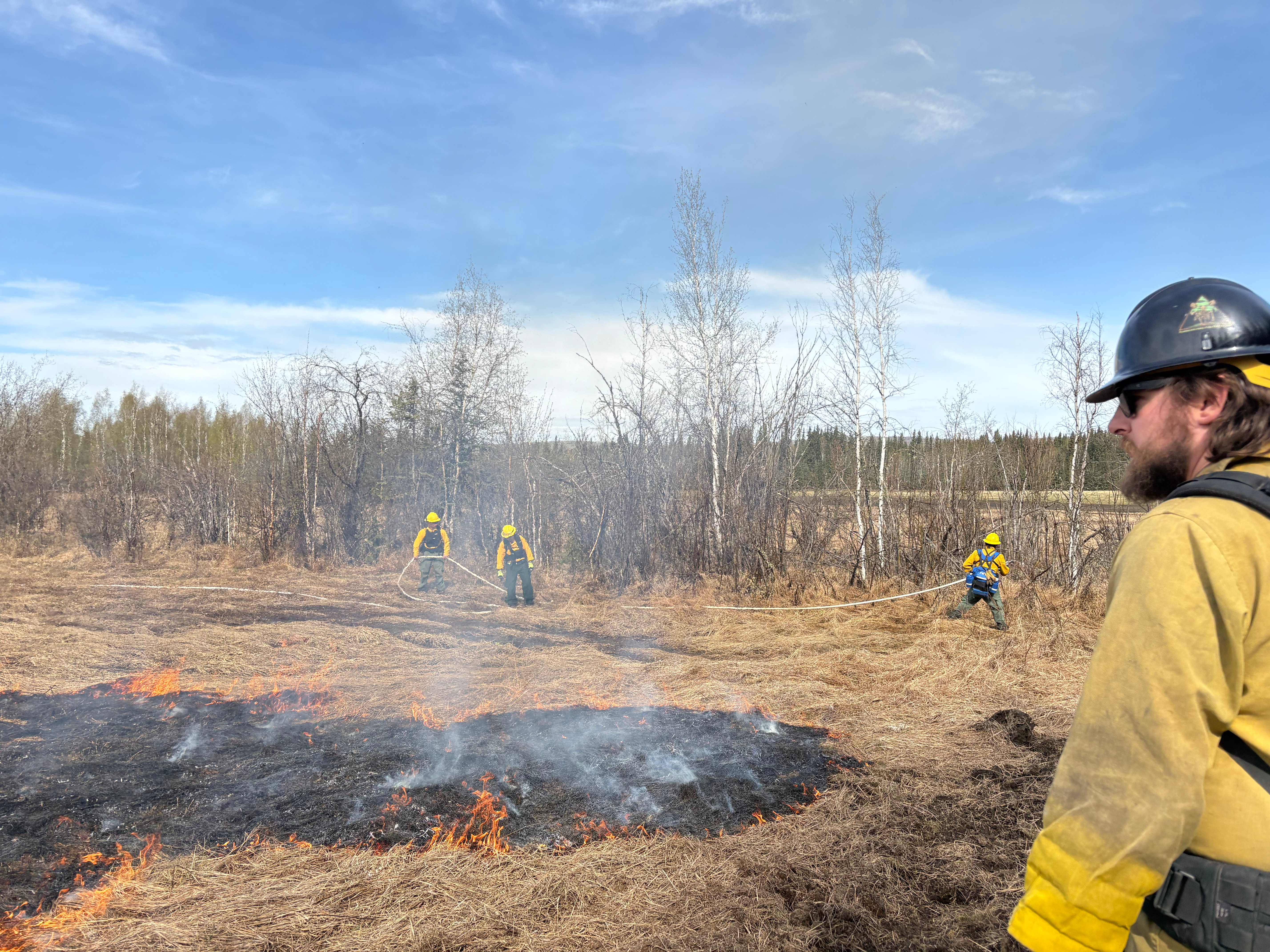
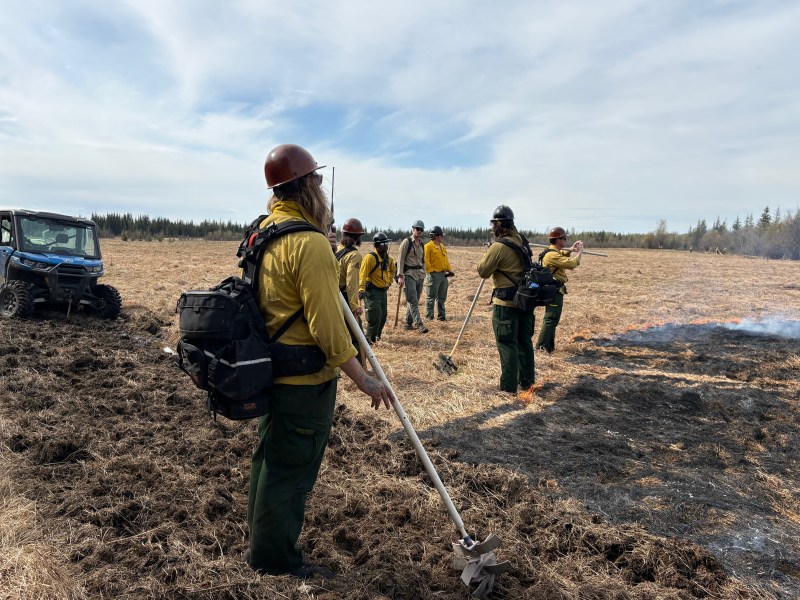
Creamers Field Echo Acres RX white Mountain Fire Crew holsing wet line and Logan Parsley, Fairbanks Area Tech supervising the fire behavior 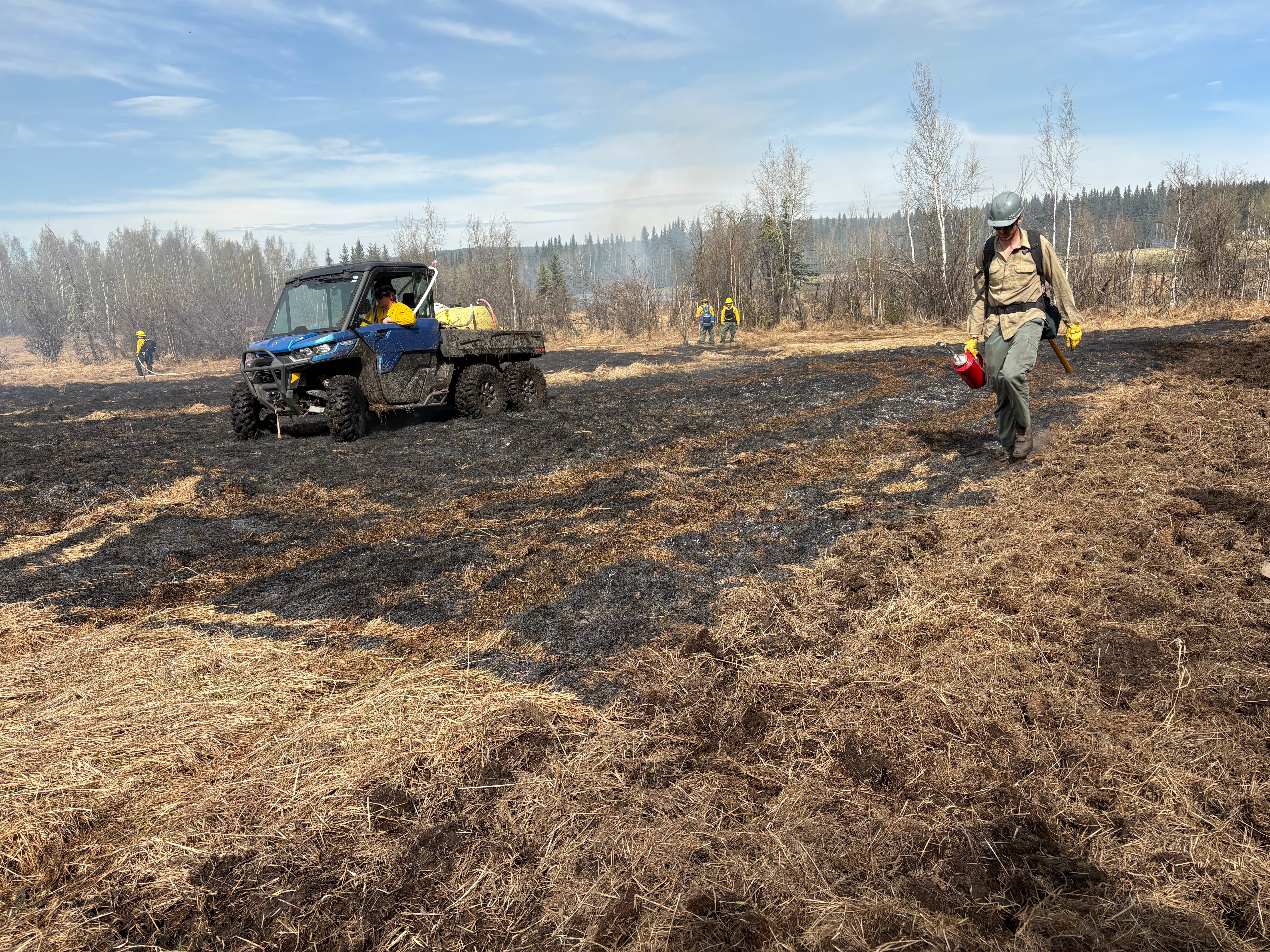
Echo Acres Creamers Field side by side with water tank prepositioning while firefighter with drip torch relocates to continue the burn in the new section of grass after the test oatch is complete. 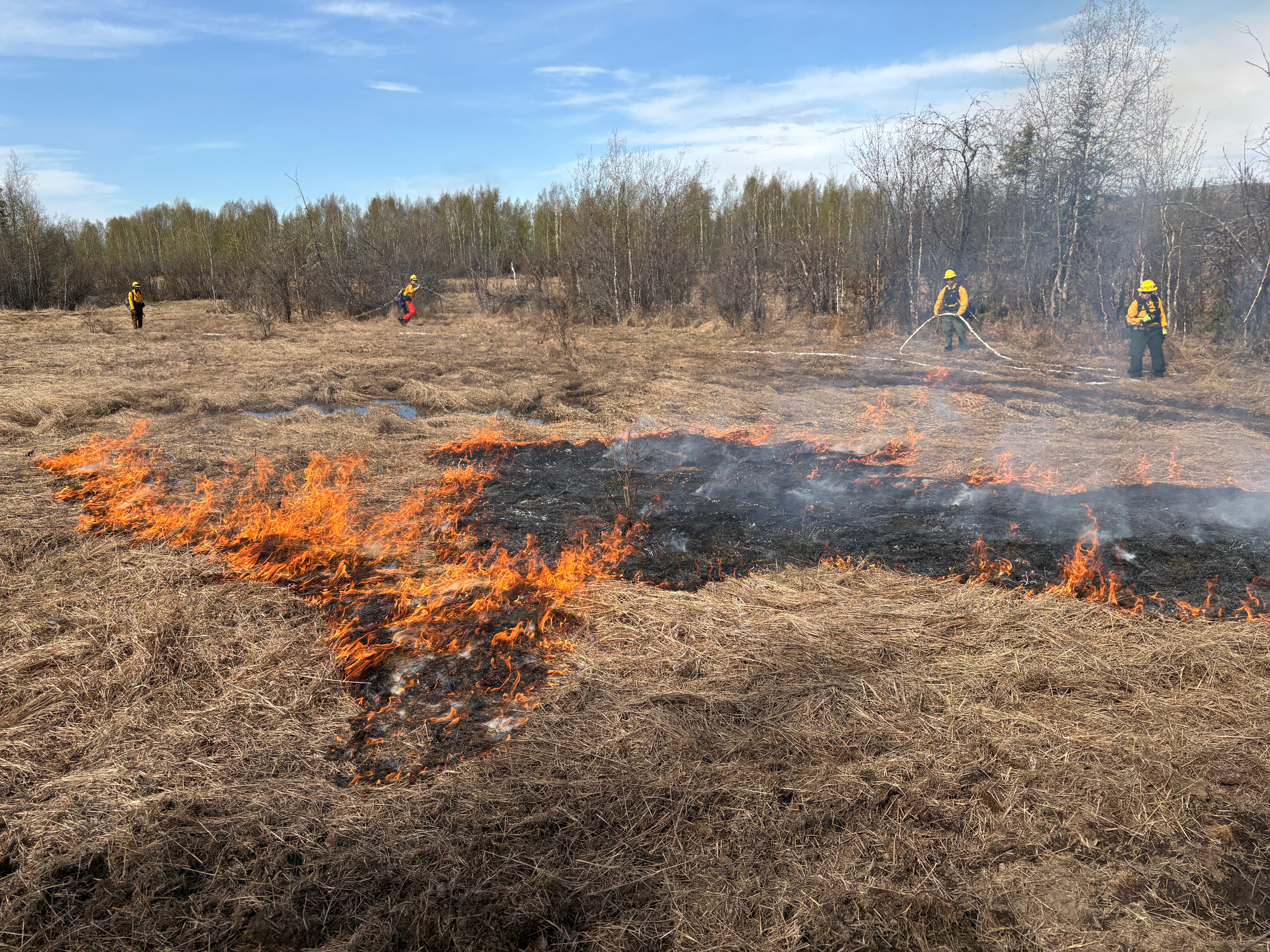
White Mountain Fire Crew Holding the wet line and watching the green at the Creamers Field Echo Acres RX 2026
The Big Picture
Prescribed fire is not a contradiction to fire safety; it is the foundation of it. By allowing trained professionals to burn the right fuel, at the right time, under the right conditions, Fairbanks gains a safer surrounding landscape, better-trained first responders, and a thriving habitat for the migratory birds that define our Alaskan springs.
For Statewide Fire Information, follow us on AKFireinfo.com or call us at (907)356-5511
Follow DFFP on Social Media
- Facebook: https://www.facebook.com/AK.Forestry/
- Instagram: https://www.instagram.com/akstatefire/
- YouTube: https://www.youtube.com/@AlaskaDNRDOF
Categories: Air Quality, AK Fire Info, Alaska DNR - Division of Forestry & Fire Protection (DFFP), Fire Prevention, Prescribed Fire, Training

